
Dunkirk, Maryland
10351 Southern Maryland Blvd #201, Dunkirk, MD 20754
(443) 788-1572
Would you like to save Dunkirk, Maryland as your Comfort Keepers location?
Call (443) 788-1572 | 10351 Southern Maryland Blvd #201, Dunkirk, Maryland 20754
10351 Southern Maryland Blvd #201, Dunkirk, Maryland 20754
Close

Are you interested in becoming a caregiver?
Apply Now »

In-Home Senior Care in Dunkirk, MD

Compassionate caregivers helping seniors stay safe & independent at home in Dunkirk, Bowie, Waldorf, Owings, Upper Marlboro & nearby communities.

Personalized care plans • Dementia & mobility support • 24/7 live support • Trusted locally • Free assessment

Service Areas: Dunkirk, Bowie, Waldorf, Owings, Upper Marlboro, Laurel, Odenton, Huntingtown, Severn & surrounding MD communities.

(443) 291-7100 to schedule your free in-home assessment.


Contact Us

Trusted In-Home Senior Care in Dunkirk, MD

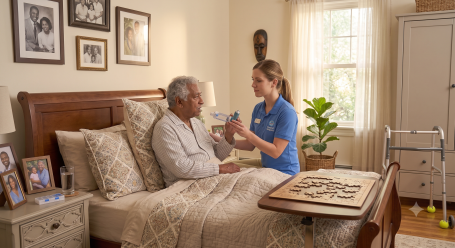
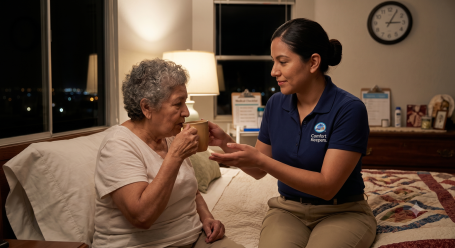
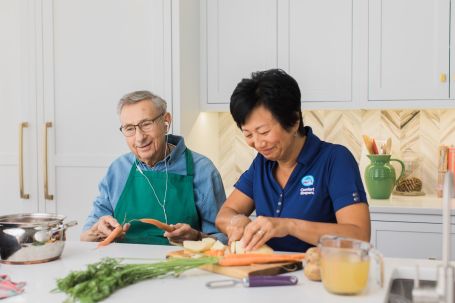
senior care at homesenior care at homesenior care at home


The Challenge Every Dunkirk Family Faces

Your parent is aging. You see the signs—slower movements, forgotten appointments, a house that needs care they can no longer give. You're torn: they refuse to leave their home. Assisted living feels wrong. Nursing homes feel like giving up.

So you step in. But juggling work, your own family, and their care is suffocating. Guilt creeps in on both sides. There has to be another way.

There is. Comfort Keepers of Dunkirk, MD, bridges the gap between independence and safety. We're not a facility. We're not temporary help. We're the compassionate caregivers who make aging in place actually work—so your loved one stays home, and you get your peace of mind back.


senior care at homesenior care at homesenior care at home


What Is In-Home Senior Care? Definition & Benefits

In-home senior care is professional, personalized support provided by trained caregivers in your loved one's own home. It includes assistance with activities of daily living (ADLs) such as bathing, dressing, medication management, meal preparation, and companionship—allowing seniors to maintain independence while remaining in familiar surroundings.

Unlike nursing homes or assisted living facilities, in-home care is delivered on a schedule that fits your life: it can start with just a few hours per week and scale up to 24-hour continuous support as needs evolve.

Key benefits of aging in place with professional care include:
• Seniors remain in the home where they've built a lifetime of memories and routines
• Higher life satisfaction and emotional well-being compared to facility-based care
• 30-50% lower cost than assisted living facilities or nursing homes
• Reduced hospital readmissions—familiar environments mean fewer transitions and complications
• Stronger family relationships—care becomes interactive, not institutional
• Better cognitive outcomes—familiar spaces support memory and orientation


Personalized In-Home Care Services for Every Situation

One size doesn't fit care. A senior recovering from surgery needs different support than one managing memory loss. Someone living alone has different risks than someone with family nearby. We customize.

1. Daily In-Home Care – Aging in Place, Done Right

Definition: Daily in-home care provides regular assistance with activities of daily living to help seniors remain independent at home.

What's included: Personal care (bathing, dressing, grooming), meal preparation and nutrition management, medication reminders and management, light housekeeping, laundry, companionship, and transportation to appointments.

Who benefits: Seniors managing arthritis, mobility issues, post-surgery recovery, or general age-related decline who want to remain at home safely.

Frequency: Flexible scheduling—hourly visits, several times weekly, or full-time live-in support available. Learn more about our daily in-home care services.

2. Memory & Dementia Care – Specialized Support for Cognitive Decline

Definition: Dementia care is specialized support designed for seniors experiencing memory loss, confusion, or cognitive decline due to Alzheimer's, dementia, or other neurological conditions.

How it differs from standard care: Dementia-trained caregivers use redirection techniques, structured routines, reminiscence therapy, and patience-based communication to reduce behavioural challenges and maintain quality of life. They understand that confusion and frustration aren't intentional—they're symptoms.

Key elements of our dementia care:
• Structured daily routines that reduce anxiety and confusion
• Safe environment modifications to prevent wandering or accidents
• Medication management to support cognitive and behavioral health
• Companionship and engagement in familiar activities
• Respite support for exhausted family caregivers
• Coordination with physicians to monitor progression

3. Respite Care – Essential Relief for Family Caregivers

Definition: Respite care is temporary, short-term care provided to give primary family caregivers a break from caregiving responsibilities.

Why it matters: Family caregiver burnout is real. Studies show caregivers face higher rates of depression, anxiety, and health problems. Respite care isn't neglect—it's essential healthcare for the entire family.

Respite care options:
• A few hours during the day for errands and self-care
• Overnight care to allow family to sleep or handle emergencies
• Weekend coverage while you attend family events or travel
• Extended multi-day or weekly support during family crises
• 24-hour backup if your primary caregiver becomes ill

Cost-benefit: Respite care costs far less than an ER visit for caregiver collapse or health crisis. It's preventive healthcare for your family's wellbeing.

4. Veterans Home Care – Specialized Care Honoring Service

Definition: Veterans home care is tailored, compassionate support specifically designed for military veterans' unique physical, emotional, and healthcare needs.

Why veterans need specialized care: Veterans often face unique health challenges—service-related injuries, PTSD, specific medication regimens, or hearing/vision loss. Many benefit from caregivers who understand military culture and service background.

Our veteran-focused approach:
• Many of our caregivers are veterans themselves—they get it
• Specialized support for mobility challenges, chronic pain, and medication protocols
• Sensitivity to PTSD triggers and mental health needs
• Coordination with VA healthcare providers and benefits
• Respect for military service and values in daily interactions
• Connection to veteran community resources and support groups

5. 24-Hour Care – Round-the-Clock Support at Home

Definition: 24-hour in-home care provides continuous, round-the-clock supervision and support for seniors requiring constant monitoring or assistance.

When 24-hour care is needed:
• Post-surgery or post-hospitalization recovery with high care demands
• Advanced dementia or Alzheimer's with safety risks (wandering, confusion)
• Palliative or end-of-life care—allowing peaceful dying at home surrounded by family
• Severe mobility issues requiring frequent assistance (bed-bound, wheelchair-bound)
• Complex medical conditions requiring medication, monitoring, or intervention
• Seniors living alone with no family nearby who require constant safety oversight

The advantage over hospitals or facilities: 24-hour home care in Dunkirk, MD means your loved one stays in their own bed, familiar surroundings, and with family present. Comfort and dignity are maintained alongside clinical care.


The Comfort Keepers Difference: What Sets Us Apart

Not all home care agencies are the same. Here's what makes Comfort Keepers the trusted choice for Dunkirk families:

1. Real People Answer Your Calls – Not Robots or Call Centers

The problem with most agencies: You call with a question and get transferred through automated systems, then to an out-of-state call center where representatives don't know your situation.

Our promise: When you call Comfort Keepers, you reach a live person who knows your loved one by name and understands their care plan. Available 24/7—because emergencies don't happen during business hours.

2. Personalized Caregiver Matching – Not Whoever's Available

How we match caregivers:

1. Detailed assessment of your loved one's physical, emotional, and social needs
2. Interview with multiple qualified candidates based on experience level
3. Personality compatibility evaluation—will they click?
4. Language, cultural background, and specific skill considerations
5. Introduction and "trial period" to ensure the right fit
6. Consistent scheduling with the same caregiver(s) whenever possible to build trust

The result: Your loved one isn't getting a stranger every day. They're getting someone they look forward to seeing—someone who becomes part of the family.

3. Highly Trained, Vetted, Certified Caregivers

Our caregiver standards:

• Background checks and reference verification for every caregiver
• CPR and First Aid certification (required, not optional)
• Specialized training in dementia care, fall prevention, infection control
• Many are Certified Nursing Assistants (CNAs) or Home Health Aides (HHAs)
• Regular quality reviews and family feedback incorporated into performance
• Ongoing continuing education in elderly care best practices
• Some are Licensed Nurses for medical support needs

Why credentials matter: Your loved one isn't just in caring hands—they're in skilled, accountable, trained hands. We take responsibility for their safety.

4. Flexible Scheduling – Your Life, Your Rules

The problem with most care arrangements: You're locked into rigid schedules, high minimum hours, or long-term contracts that don't match your actual needs.

Our flexible approach: You define the schedule. Whether you need 5 hours per week or 24/7 live-in care, we adapt. Start with what you need now, increase as circumstances change, scale back if recovery progresses. No penalties. No wasted services.

Common scheduling options:

• Weekday mornings for personal care and meal prep
• Afternoon companionship and activity engagement
• Overnight care for safety monitoring and bathroom assistance
• Weekend support while family handles other responsibilities
• Gradual increase from part-time to full-time as health declines
• Holiday coverage when family can't be present
• Backup coverage if your primary caregiver becomes ill

How to think about cost: You pay only for hours used. Most families spend significantly less than they initially expected because we're strategic about efficiency.

5. Transparent Pricing – No Hidden Fees, No Surprises

Question: How much does in-home senior care cost?

Answer: In-home care pricing varies based on care level and frequency, but typically ranges from $20-$30+ per hour depending on caregiver credentials and service complexity. Most families find in-home care costs 30-50% less than assisted living ($3,500-$6,000/month) or nursing homes ($6,000-$10,000+/month).

Our pricing model:
• Hourly rates based on caregiver certification level (CNA, HHA, Nurse, etc.)
• No setup fees or enrollment charges
• No minimum hour requirements—start with what you need
• Transparent estimates after free in-home assessment
• Billing is straightforward: hours worked × hourly rate
• No surprise charges or hidden service fees

Cost comparison example: A senior needing 20 hours/week of in-home care at $25/hour costs roughly $2,000/month. The same care level in an assisted living facility runs $4,500-$6,000/month. That's a $2,500-$4,000 monthly savings—plus your loved one stays home.

6. Local Expertise – We Know Dunkirk, Bowie, Waldorf & Beyond

Why local knowledge matters: We're not a national franchise with a call center in another state. We're embedded in Dunkirk, Bowie, Waldorf, Owings, Upper Marlboro, Laurel, Odenton, Huntingtown, Severn, and surrounding communities.

What local expertise means for your loved one:

• We know the local doctors, hospitals, and specialists—we coordinate care with them directly
• Familiarity with community resources (senior centers, meal programs, transportation services)
• Understanding of local healthcare systems and insurance networks
• Relationships with other providers for referrals when needed
• Knowledge of neighborhood-specific safety considerations
• Ability to participate in local community events and activities
Our in-home care in Laurel, MD, and across our service region is grounded in deep community understanding


Is Your Loved One Ready for In-Home Care? Warning Signs You Shouldn't Ignore

Question: How do I know if my parent needs in-home care?

Answer: Common warning signs include difficulty with bathing or dressing, frequent falls, missed medications, confusion or memory loss, neglected home maintenance, social withdrawal, caregiver burnout, or unexplained weight loss. Early intervention prevents crises.

Some families wait too long. They notice small changes, rationalize them, and then something happens—a fall, medication error, or health crisis—that forces an urgent decision. Don't be that family. Early intervention prevents emergencies and creates better outcomes.

Physical Warning Signs

• Difficulty bathing, dressing, or grooming without help (and reluctance to ask family)
• Frequent falls, balance problems, or difficulty walking safely
• Skipped meals, significant weight loss, or signs of malnutrition
• Missed medications or confusion about which ones to take and when
• Inability to do light housekeeping or manage their home—piled dishes, unwashed clothes, cluttered spaces
• Poor hygiene—greasy hair, overgrown nails, body odor (often a sign of depression or capability loss)
• Inability to manage stairs, get in/out of bed safely, or use the bathroom without risk

Cognitive Changes (These Require Immediate Attention)

• Repeating the same stories, questions, or concerns multiple times in one conversation
• Forgetting they've already eaten, taken medications, or locked the door
• Getting lost in familiar places or extreme confusion about time/dates
• Difficulty managing finances—unpaid bills, late payments, or signs of financial exploitation
• Neglecting home safety (stove left on unattended, doors unlocked, appliances left running)
• Inability to follow simple instructions or handle problem-solving
• Losing track of appointments or losing important items repeatedly

Emotional & Social Red Flags (Often Overlooked, But Critical)
• Withdrawal from hobbies, friends, or family activities they once loved
• Increased anxiety, depression, irritability, or uncharacteristic mood swings
• Loneliness and isolation despite family involvement (or reluctance to engage even when family visits)
• Paranoia, accusations, or verbal aggression—especially toward family (common with cognitive changes)
• Loss of motivation, expressed hopelessness, or statements like "I'm just a burden"
• Increased dependence on alcohol or medication as "coping"
• Resistance to leaving home or extreme anxiety when separated from familiar spaces

Family Caregiver Burnout (The Silent Warning—Often Worse Than the Senior's Condition)

• You're exhausted managing care alongside work and your own family—sleep deprivation is real
• You feel resentful, frustrated, or guilty about caregiving limitations or shortcomings
• Your own health is suffering—elevated blood pressure, stress-related illness, neglected medical care
• You're worried constantly about what happens if you're not available (emergency, illness, death anxiety)
• Your loved one would benefit from professional, trained support beyond what family can provide
• You're experiencing depression, anxiety, or thoughts of harming yourself due to stress
• Family relationships are suffering because caregiving consumed all your energy

The Bottom Line: In-home care isn't a last resort—it's proactive healthcare that prevents crises, protects your loved one's independence, and saves your family's sanity. It can be scaled up gradually (starting with 5-10 hours per week) and expanded as needs evolve. The earlier you engage professional support, the better the outcomes for everyone.


How In-Home Care Works: Your Step-by-Step Process

Step 1: Free In-Home Assessment

What happens: You contact us with initial information about your loved one's situation. We schedule a free, no-obligation in-home assessment within 24-48 hours.

During the assessment, we:
• Meet your loved one face-to-face and listen to their story
• Evaluate physical capabilities, cognitive function, and medical needs
• Discuss emotional, social, and lifestyle preferences
• Tour the home to identify safety concerns and accessibility issues
• Review medications, doctor's orders, and healthcare protocols
• Ask detailed questions about daily routines, preferences, and values
• Assess family dynamics and caregiver expectations
• Answer all your questions—no rush, no pressure

You receive: A comprehensive written care recommendation and transparent pricing estimate tailored to your loved one's specific needs.

Step 2: Custom Care Plan Development

What we create: A personalized care plan documenting your loved one's specific needs, medical history, daily routines, preferences, and goals. This becomes the roadmap for all caregivers.

The care plan includes:
• Activities of daily living (ADL) assistance required
• Medication schedule and management protocols
• Medical conditions, allergies, and emergency procedures
• Dietary preferences and nutritional needs
• Mobility and safety considerations
• Cognitive/behavioral strategies for dementia or memory issues
• Communication preferences and family contact protocols
• Goals (maintain independence, manage pain, maximize social engagement, etc.)
• Caregiver skill and personality requirements for the best match

Step 3: Caregiver Matching & Introduction

How we ensure the right match: We review multiple qualified caregiver candidates, considering experience, certifications, personality, language, cultural background, and availability. We introduce 1-3 options and facilitate a meet-and-greet.

You have final approval: Your loved one and family meet the proposed caregiver(s) before anyone is formally assigned. If the fit isn't right, we suggest alternatives. Chemistry matters.

Trial period: New caregiver relationships typically have a 1-2 week adjustment period. We monitor closely and make adjustments if needed.

Step 4: Flexible Scheduling & Service Begins

You decide the schedule: Weekly, daily, hourly visits—whatever works for your life. Caregivers arrive on time, work the agreed-upon hours, and maintain detailed care notes.

Communication is consistent: Family receives regular updates on your loved one's status, mood, activities, and any changes or concerns. We're transparent and proactive in reporting.

Step 5: Ongoing Support & Adjustment

Care evolves as needs change: We monitor your loved one's condition, adjust care plans as needed, and scale services up or down based on health changes or family circumstances.

24/7 support available: Questions arise. Situations change. You always have access to management support, backup caregivers if your regular person is unavailable, and emergency protocols for urgent situations.


Common Questions About In-Home Senior Care

Q: What if I can only afford a few hours per week?

A: That's exactly how most families start. Many begin with 10-15 hours weekly for personal care and meal prep, then increase gradually as needs evolve or family circumstances change. You're never locked into a minimum, and you only pay for hours used.

Q: What if my loved one doesn't like the first caregiver?

A: We'll match them with someone else. Finding the right personality fit is crucial to success. We take requests and concerns seriously—if it's not working, we iterate until we find the right caregiver.

Q: How long does the assessment take?

A: Our free in-home assessments typically take 60-90 minutes. We take time to understand your loved one's situation fully, answer questions, and provide a detailed recommendation without pressure.

Q: Are your caregivers insured and bonded?

A: Yes. All caregivers are fully insured and bonded. We also maintain comprehensive liability insurance. Your loved one and your home are protected.

Q: What happens if my regular caregiver is sick or unavailable?

A: We maintain backup caregivers trained on your loved one's care plan. If your regular person is unavailable, we send a qualified substitute with minimal disruption. You're never left without coverage.

Q: Do you accept insurance or Medicare/Medicaid?

A: Coverage varies based on your specific situation, care level, and insurance plan. We work with most major insurances and explore Medicaid options where applicable. Discuss your insurance during the free assessment, and we'll clarify what's covered.

Q: Can caregivers help with medication management?

A: Yes. Our caregivers provide medication reminders and, in many cases, hands-on assistance with medications (based on state regulations and physician orders). We maintain detailed medication logs and communicate any changes with healthcare providers.

Q: How do I get started?

A: Call us at (443) 788-1572  or fill out our online contact form. We'll schedule a free, no-obligation in-home assessment within 24-48 hours. Bring a list of medications, current doctor information, and any health concerns you'd like to discuss.

Q: What if my loved one resists in-home care?

A: Resistance is common—it feels like admitting they need help. Many seniors warm up once they meet a caregiver and realize it's companionship, not intrusion. We recommend framing it as "help with the things you don't enjoy" rather than "you can't do this anymore." Our caregivers are skilled at building trust and making the transition comfortable.

Q: What if my loved one has dementia or significant memory loss?

A: Dementia-specialized caregivers are trained in redirection, patience, and structured routines. They understand memory loss isn't intentional behavior—it's a symptom. Consistent caregivers and familiar routines actually help reduce behavioural issues and improve quality of life significantly.

Q: Can caregivers help with transportation?

A: Yes. Many caregivers can assist with transportation to doctor's appointments, grocery shopping, social outings, or other errands. Discuss specific transportation needs during your assessment, and we'll ensure your caregiver is comfortable and appropriately trained for this responsibility.

Q: What areas do you serve?

A: We serve Dunkirk, Bowie, Waldorf, Owings, Upper Marlboro, Laurel, Odenton, Huntingtown, Severn, and surrounding Maryland communities. If you're unsure whether your location is in our service area, call us at (443) 788-1572  to confirm.

Q: How often should I update the care plan?

A: Care plans should be reviewed whenever your loved one's condition or needs change—after a hospitalization, health decline, or improvement. We also recommend periodic check-ins (monthly or quarterly) to ensure the current care plan still meets their needs. Regular communication with family keeps us aligned.

Q: What's the difference between in-home care and home health care?

A: In-home care (what we provide) focuses on assistance with daily living—personal care, companionship, meal prep, light housekeeping. Home health care is medical care delivered by licensed nurses or therapists (physical therapy, occupational therapy, wound care) typically ordered by a doctor. Often, seniors need both. We can coordinate with home health providers to ensure seamless care.

Q: What if my loved one's medical needs become complex?

A: We work closely with your loved one's healthcare providers. If complex medical needs arise that require nursing-level care, we can coordinate with home health agencies or recommend escalation to higher levels of care. We maintain detailed medical documentation and communicate regularly with physicians to support coordinated healthcare.

Q: Is there a contract or commitment period?

A: We work with month-to-month arrangements, not long-term contracts that lock you in. You can adjust your care level or frequency based on changing needs, and you can discontinue service with appropriate notice. Our goal is being the right fit for your family—not trapping you in an agreement.

Q: What happens during end-of-life or hospice care situations?

A: We provide compassionate end-of-life support, coordinating with hospice providers when appropriate. Our caregivers can assist with comfort measures, medication management (per physician orders), and emotional support for both the senior and family. We treat this sacred time with utmost dignity and respect.


Ready to Give Your Loved One the Care They Deserve?

Take the Next Step Today

If you're reading this, you already sense that something needs to change. Your loved one needs support. Your family needs relief. Professional in-home care isn't giving up—it's giving your loved one the best possible life while protecting your family's wellbeing.

Here's what happens next:

1. Contact us. Call (443) 788-1572  or complete our online contact form. Tell us a bit about your situation—no details needed yet.

2. Schedule a free assessment. We'll visit your home (or video call if preferred) at a time convenient for you. This is no-pressure, no-obligation—just honest conversation about what your loved one needs.

3. Get a personalized recommendation. Based on the assessment, we'll outline care options, explain services clearly, and provide transparent pricing. You'll know exactly what to expect.

4. Start care on your timeline. If you move forward, we'll handle caregiver matching, training, and scheduling. You focus on your loved one and your family.

5. Enjoy peace of mind. Your loved one stays home, safe and cared for. Your family is relieved. Everyone's health improves.


Why Choose Comfort Keepers for In-Home Care in Maryland?

We're more than a staffing agency. We're advocates for your loved one's independence, dignity, and quality of life. We're partners in your family's health journey. We're the difference between struggling at home alone and thriving at home with support.

When you choose Comfort Keepers, you get:
• Personalized, flexible, compassionate care tailored to your loved one's unique needs
• Trained, vetted, certified caregivers who genuinely care
• Real people answering your calls 24/7—no automated systems
• Transparent pricing with no hidden fees or surprise charges
• Local expertise and deep community roots
• Coordination with healthcare providers for comprehensive support
• Respect for your loved one's independence, preferences, and dignity
• Peace of mind knowing your family is supported by professionals

We've been serving Dunkirk families for years. We've helped hundreds of seniors stay safely in their homes. We've supported countless families through caregiving challenges. And we'd be honored to support yours.

Your loved one's independence is our mission. Your peace of mind is our promise.


Additional Resources for Dunkirk Families

Senior Care Planning: Understanding your options before a crisis hits helps you make better decisions. Start with a free assessment to explore what's possible for your loved one.

Caregiver Support & Education: If you're managing care alongside our services, we provide resources and guidance to help you understand dementia, fall prevention, medication management, and caregiver self-care.

Local Resources: We connect families with local senior centers, meal programs, transportation services, support groups, and community resources that enhance in-home care.

Care Transitions: If your loved one is coming home from the hospital, nursing home, or assisted living, we specialize in smooth transitions with careful coordination and comprehensive support during vulnerable recovery periods.


Care Services in Dunkirk

We provide a range of senior care services and home assistance. From companionship to errands and groceries, our highly-trained Comfort Keepers can support your loved ones in the comfort of their own home. We also offer senior technology, including home monitoring, fall risk, and medical alert systems. Our comprehensive senior care services include:

Interested in a rewarding career as a caregiver? We are hiring!

Our Resources, News & Events

Browse the latest events, news, and resources from Comfort Keepers of Dunkirk.

Resources

Signs Your Loved One May Need Home Care Services
Read More »

Resources

Providing Respite Care for Family Caregivers of Veterans: How Comfort Keepers Can Help
Read More »

Resources

Comfort Keepers’ Approach to Managing Veterans’ Post‑Traumatic Stress in a Home Care Setting
Read More »

Resources

How Comfort Keepers Helps Veterans Cope with Aging and Service-Related Challenges
Read More »

Resources

Navigating the Transition from Military to Civilian Life: How Comfort Keepers Supports Veterans
Read More »

Resources

How Comfort Keepers Helps Veterans Create a Comfortable and Safe Home Environment
Read More »

Resources

The Role of Comfort Keepers in Alzheimer's and Dementia Care
Read More »

Resources

4 Ways Alzheimer’s and Dementia Care Can Help Manage Sundowning in Dunkirk, MD
Read More »

Resources

3 Key Signs Your Loved One May Need Alzheimer’s or Dementia Care in Dunkirk, MD
Read More »

Careers at Comfort Keepers

Join Us. A rewarding career helping others starts here.

At Comfort Keepers, we help seniors live safely and independently in the comfort of their own home. We're looking for compassionate men and women who want to help us help others. From part-time jobs in senior care to a lifelong career, we have something for you.

Comfort Keepers offers rewarding jobs and career paths for any stage in life, whether you are just joining the workforce, ready to jump back in after time off, or looking to stay active in retirement. Joining Comfort Keepers is also a great way to kick-start your career in the homecare medical field, including a medical assistant, nurse, or other related professional.

As a senior caregiver, you’ll take care of daily needs while building valuable relationships based on mutual respect, trust, and compassion. In return, we offer competitive compensation, a highly flexible work schedule, and opportunities to impact someone’s life in a meaningful and fulfilling way.


Search Jobs

Have a question? We’re here to help.

Call us at (443) 788-1572 to learn more about in-home care, senior home care, respite care, and other Comfort Keepers services.  We have dedicated staff available around the clock to meet all your home care needs today!

Contact Us Today