

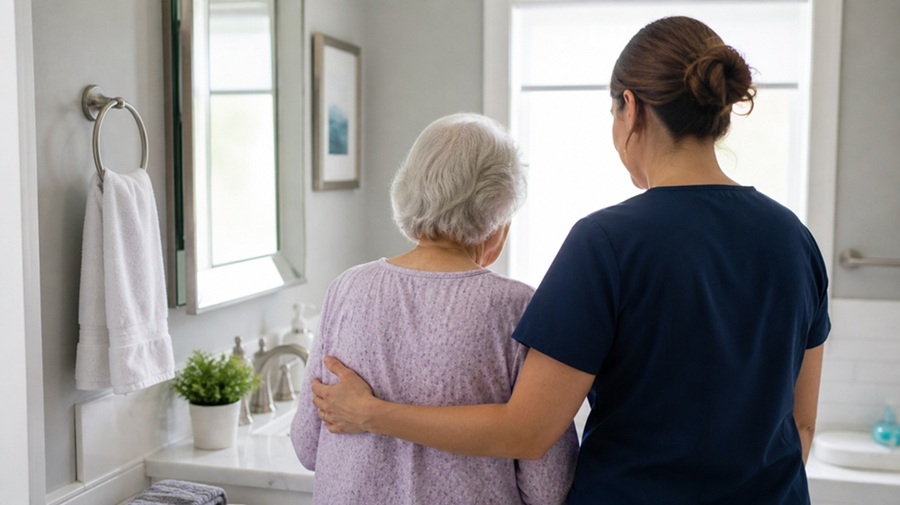
When families begin exploring home care services in Ponte Vedra Beach, FL, the first concern we often hear is not just safety. It is dignity. Adult children notice subtle changes, like a parent wearing the same clothes for days or avoiding social visits, and they realize something deeper is shifting. Personal care is not just about helping with tasks. It is about protecting a person’s sense of self during a time when independence is changing.
When Daily Tasks Start Affecting Confidence
Most seniors do not openly say they are struggling with bathing, dressing, or grooming. Instead, we see indirect signs. A once social parent may stop attending church or community events. Laundry piles up. Hair goes unwashed longer than usual.
These are not just hygiene issues. They are often tied to embarrassment or fear of needing help. If this stage is ignored, isolation tends to follow. Seniors withdraw because they do not want others to notice changes.
Personal care support steps in quietly at this point. With the right caregiver, assistance feels like collaboration, not control. That distinction matters more than most families expect.
The Emotional Weight of Needing Help With Personal Care
Accepting help with intimate tasks is one of the hardest transitions for older adults. We have seen seniors resist care, not because they do not need it, but because it feels like losing independence.
This resistance often shows up as:
- Refusing showers or hygiene routines
- Insisting “I’m fine” despite clear struggles
- Becoming irritable when family brings it up
What is really happening underneath is fear. Fear of being seen differently. Fear of becoming a burden.
A skilled caregiver understands how to approach these moments with respect. Small choices, like asking how someone prefers their routine or maintaining privacy during care, help restore a sense of control. Over time, seniors begin to feel supported rather than managed.
Why Waiting Too Long Can Make Things Harder
Families often delay personal care because the situation feels “not bad enough yet.” This is one of the most common mistakes we see.
When hygiene declines, it can lead to:
- Skin irritation or infections
- Increased fall risk during unsafe bathing attempts
- Lower self-esteem that affects mental health
Once these issues develop, seniors may become more resistant to help because the situation feels overwhelming or embarrassing.
Starting earlier creates a different experience. Care becomes part of a routine instead of a crisis response. Seniors are more likely to accept help when it feels like a normal part of staying independent.
What Personal Care Actually Looks Like Day to Day
There is a misconception that personal care is clinical or rigid. In reality, it is often woven naturally into the day.
A caregiver might help with:
- Morning grooming while chatting about the day ahead
- Choosing clothing that feels comfortable and familiar
- Assisting with bathing in a way that preserves privacy
- Light reminders that keep routines consistent
These moments build trust. Over time, caregivers become familiar faces who understand preferences, habits, and boundaries. That consistency is what transforms care from a service into a relationship.
The Balance Between Independence and Safety
One of the hardest decisions families face is knowing how much help is too much or too little.
We often guide families to watch for this pattern. When a senior starts avoiding certain tasks, like bathing or changing clothes, it usually signals that the task has become difficult or unsafe. Avoidance is rarely about laziness. It is a protective behavior.
Personal care allows seniors to keep doing what they can while receiving support where it is needed. This balance helps maintain confidence. It also reduces the risk of sudden incidents that force more drastic changes, like hospital visits or moving out of the home.
If you are unsure where that balance is for your loved one, it may help to explore a personalized in-home care plan that fits their current abilities and comfort level.
How Personal Care Strengthens Family Relationships
Family caregivers often step in first. They help with bathing, dressing, or hygiene because it feels necessary. Over time, this can strain the relationship.
We have seen adult children become exhausted or uncomfortable providing intimate care. Seniors may feel embarrassed receiving it from family. This tension can lead to frustration on both sides.
Introducing a professional caregiver often restores the relationship. Family members can return to being daughters, sons, and spouses instead of full-time caregivers. Seniors also feel less self-conscious receiving help from someone trained to provide it respectfully.
If your family is feeling that shift, it may be time to consider a caregiver consultation to ease that pressure while preserving connection.
The Subtle Ways Dignity Shows Up Again
When personal care is done right, the changes are noticeable but quiet.
We see seniors:
- Re-engage socially because they feel presentable
- Develop consistent routines that bring stability
- Show improved mood and confidence
- Take pride in their appearance again
These outcomes are not just about cleanliness. They reflect a restored sense of identity. Seniors begin to feel like themselves again, even as they accept support.
Recognizing When It Is Time to Take the Next Step
Many families wait for a clear moment, like a fall or medical event, to act. In reality, the better time to start is when small signs appear.
If you are noticing changes in hygiene, withdrawal from activities, or resistance to routines, those are early indicators. Addressing them now is often easier than managing the consequences later.
You can start by speaking with a care coordinator who understands how to introduce support in a way that feels natural and respectful. Exploring options early gives your family more control over how care is introduced.
For families navigating these decisions, our team offers thoughtful guidance through [personalized home care support plans] designed to protect both independence and dignity.
A Thoughtful Next Step for Your Family
Choosing personal care is not about giving something up. It is about preserving what matters most. Independence, confidence, and identity can continue with the right kind of support in place.
If you are beginning to ask whether your loved one needs help, that instinct is worth listening to. Having a conversation early often leads to better outcomes and a smoother transition.
For families considering home care services in Ponte Vedra Beach, FL, starting with a simple care assessment can provide clarity without pressure. It gives you a chance to understand your options and make decisions that feel right for your loved one’s future.