
Making the Switch: How to Transition to a New Home Care Provider Smoothly
Switching care providers can feel like a big step. Learn how to switch home health care agencies smoothly while keeping care consistent and supportive.
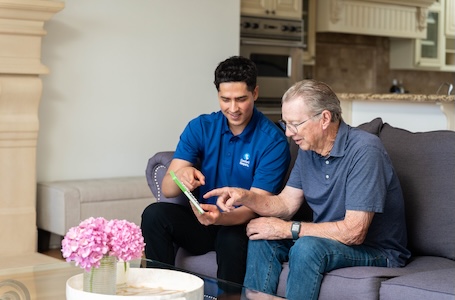
Deciding to switch home care providers can feel like a significant step, especially when your loved one’s comfort, routine, and well-being are involved. While change can feel uncertain at first, it can also be a thoughtful and positive step forward. Often, the decision to switch comes from a desire to find care that feels more supportive, more consistent, and better aligned with your loved one’s needs.
With a little planning and open communication, the transition to a new provider can feel smooth and reassuring. Taking things one step at a time can help maintain a sense of comfort and continuity, so your loved one continues to feel supported throughout the process.
In this guide, we’ll walk through some simple ways to approach the transition, helping you feel more confident while keeping your loved one’s well-being at the center of every decision.
1. Review the Current Care Agreement
Before making any changes, it can help to take a moment to look over your current care arrangement. This can give you a clearer understanding of what’s in place today and what you may want to adjust moving forward.
You might begin by reviewing details such as notice periods, cancellation terms, and any existing agreements. Having a sense of these timelines can make the transition feel more manageable and help you feel more confident about the next steps. It can also be helpful to look at the care currently being provided, including schedules, levels of support, and any routines that are important to your loved one. This is also a valuable opportunity to reflect on what has been working well.
2. Involve Your Senior Loved One in the Change
When considering a change in care, involving your loved one in the process can make a meaningful difference. Even when the decision feels necessary, it can still bring up a range of emotions, especially if your loved one has built a routine or a connection with their current caregiver.
Change can feel unfamiliar, and for many seniors, a sense of familiarity plays an important role in their comfort and ease. Taking time to approach this as an open, ongoing conversation, rather than a one-time decision, can help make the transition feel more reassuring. You might begin by gently introducing the idea and explaining why you’re exploring new care options, while inviting your loved one to share how they feel about the change.
Encouraging your loved one to share their thoughts, preferences, and any concerns can help them feel heard and understood. They may have valuable insights about what matters most in their care, whether that’s companionship, consistency, or specific daily routines. Creating space for this kind of dialogue allows them to play an active role in shaping their care, helping to preserve a sense of independence and autonomy.
3. Make Sure Your New Provider Has the Right Information
As you move forward with a new care provider, sharing the right information can help make the transition feel smoother and more familiar from the very beginning. Taking time to communicate your loved one’s needs and preferences can support a strong sense of continuity, helping care feel consistent and reassuring.
You might begin by sharing details about daily routines, personal preferences, and any specific care needs. This can include things like:
Mobility considerations
Health conditions or specialized care needs
The level of support currently in place
Preferred meal times
Favorite activities and hobbies
Giving a new provider a little insight, like how your loved one likes to start their day, can help care feel more comfortable and familiar. It also allows the new provider to build a care plan that reflects your loved one’s unique personality and routines. Many families find that this step helps create a stronger sense of trust, as it shows how well a provider listens, adapts, and tailors their approach.
Some providers may also offer additional guidance during this stage, helping gather important information and coordinate care thoughtfully. This kind of support can help reduce uncertainty and make the transition feel steadier and more well-supported.
4. Set Expectations With the New Provider
As you begin working with a new care provider, taking time to share expectations can help everything feel more settled from the start. Having a clear understanding of how care will be delivered can support a smooth transition and help your loved one be more comfortable in their daily routine.
For example, you may want to learn more about how caregivers are matched, who will be involved in day-to-day support, and how communication will be handled. Knowing what to expect can give you and your loved one a greater sense of reassurance and confidence as you move forward.
It can also help to understand the type of care your loved one will receive. For example, if social connection is an important part of your loved one’s well-being, services such as companion care can help support regular interaction and engagement. For those who may need more hands-on support, personal care services can also be included as part of a tailored care plan.
With clear expectations in place, many families find that care begins to feel more consistent, comfortable, and supportive.
In-Home Care With Comfort Keepers®
Making the decision to change care providers is about finding the right fit for your loved one. Comfort Keepers® provides compassionate, personalized in-home care that helps ensure your loved one continues to feel safe, comfortable, and supported during times of transition.
Our caregivers offer both practical assistance and meaningful companionship, helping maintain familiar routines while creating moments of connection and engagement. Each care plan is tailored to your loved one’s needs and preferences, supporting continuity, comfort, and peace of mind from the very beginning.
With Comfort Keepers®, you can expect care that is:
Personalized to your loved one’s routines and preferences
Focused on comfort, independence, and meaningful connection
Delivered by trained, compassionate caregivers
Guided by Interactive Caregiving™, encouraging active participation and engagement
Learn more about in-home care options or contact your local Comfort Keepers team to see how we can support both you and your loved one.
Sign up to receive helpful info right to your inbox.
We understand choosing an in-home care provider can be a difficult decision, and we want to make your journey as easy as possible. We're here to support you by providing helpful senior care tips and information on in-home care and senior health and wellbeing topics.
Start a Job with a Purpose
Uplifting training and support for you every step of the way.
Apply to be a caregiver