

Senior-Friendly Phoenix Attractions: Museums, Gardens, and Cultural Sites
Key Takeaways
Phoenix offers numerous accessible museums, gardens, and cultural sites with accommodations for seniors including wheelchair access, benches for resting, and senior discounts
The Desert Botanical Garden, Phoenix Art Museum, and Heard Museum provide enriching experiences with minimal physical strain and ample opportunities to rest
Engaging with cultural attractions can significantly improve seniors' mental well-being, cognitive function, and social connections
Planning visits during cooler morning hours and utilizing transportation services can make outings more comfortable and enjoyable for seniors
Comfort Keepers Phoenix can provide companion care services to help seniors safely enjoy these enriching cultural experiences
What Are the Most Accessible Cultural Attractions for Seniors in Phoenix?
Phoenix boasts numerous senior-friendly cultural sites that combine accessibility with enriching experiences. The Desert Botanical Garden, Phoenix Art Museum, and Musical Instrument Museum feature flat walkways, plenty of seating areas, and wheelchair accessibility. These venues also offer senior discounts, guided tours, and amenities that cater specifically to older adults.
Understanding the Benefits of Cultural Engagement for Seniors
For seniors aging in place in Phoenix, regular engagement with cultural attractions offers far more than just a pleasant outing. Research from the National Institute on Aging shows that culturally stimulating activities can significantly improve cognitive function, emotional well-being, and quality of life for older adults. Phoenix's unique blend of natural beauty, artistic heritage, and cultural diversity creates an ideal environment for seniors to reap these benefits.
Cultural engagement stimulates multiple cognitive processes simultaneously. When seniors visit museums like the Phoenix Art Museum or the Heard Museum, they're not just viewing exhibitions—they're analyzing, comparing, remembering, and forming new neural connections. These mental exercises serve as a form of cognitive training that can help maintain brain health and potentially delay cognitive decline. According to studies referenced by the CDC's Healthy Brain Initiative, such mentally stimulating activities may reduce the risk of dementia and help maintain cognitive function as we age.
The social aspect of cultural outings shouldn't be underestimated either. Many seniors face increasing isolation as they age, which can lead to depression and accelerated cognitive decline. Museum visits, garden tours, and cultural events provide natural opportunities for social interaction—whether with companions, staff, or other visitors. These social connections contribute significantly to emotional well-being and can help combat feelings of loneliness.
Phoenix's cultural attractions offer particularly valuable experiences for seniors because they connect visitors to both the natural environment and the rich multicultural heritage of the Southwest. The Desert Botanical Garden, for instance, showcases the unique beauty of desert flora while educating visitors about sustainable desert living—knowledge that's especially relevant for Phoenix residents. Similarly, the Heard Museum's focus on Native American art and culture provides context and meaning to the landscape seniors call home.
For those with mobility challenges, many of Phoenix's premier cultural institutions have made significant accommodations. Wide pathways, ample seating, elevators, and wheelchair accessibility ensure that physical limitations don't prevent seniors from enjoying these enriching experiences. Many venues also offer senior discounts, special tours, and programs specifically designed for older adults.
Perhaps most importantly, cultural engagement gives seniors a sense of continuity and purpose. By connecting with art, history, and nature, older adults maintain their identity as lifelong learners and active community members. These experiences provide conversation topics for family gatherings, inspire new hobbies, and create meaningful memories that enhance quality of life.
As we explore specific Phoenix attractions in the following sections, it's worth keeping in mind that these aren't merely pleasant diversions—they're valuable resources for maintaining cognitive health, emotional well-being, and social connection during the senior years.
Top Senior-Friendly Cultural Attractions in Phoenix
Desert Botanical Garden: The Desert Botanical Garden stands out as one of Phoenix's most senior-friendly attractions. With paved, level pathways winding through 140 acres of stunning desert landscape, seniors can easily navigate the garden's five thematic trails at their own pace. Numerous benches and shaded rest areas are strategically placed throughout the garden, allowing for comfortable breaks. The garden offers electric scooters for rent and wheelchairs free of charge on a first-come, first-served basis. For seniors interested in deepening their understanding of desert ecology, the garden hosts regular talks and workshops specifically designed for older adults. The Plants & People of the Sonoran Desert Trail is particularly popular among seniors, offering insights into how indigenous peoples used native plants for food, medicine, and shelter. Early morning hours (7-9 AM) during summer months provide a cooler, less crowded experience ideal for seniors.
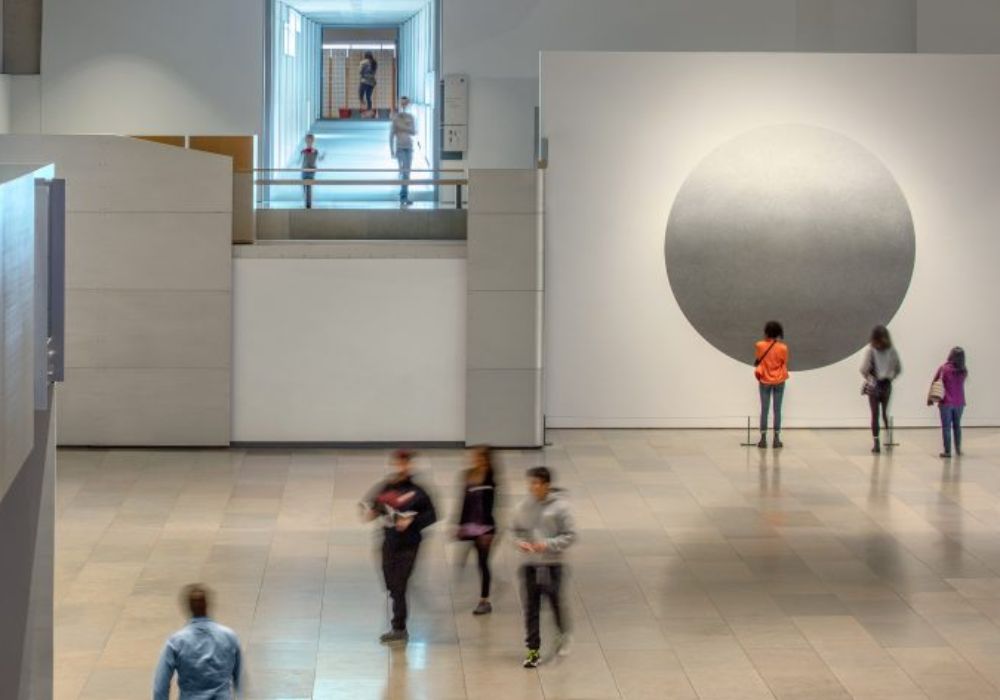
Phoenix Art Museum: As Arizona's largest art museum, the Phoenix Art Museum offers an enriching cultural experience in a completely accessible environment. The museum features elevators to all levels, complimentary wheelchairs, and plenty of seating throughout the galleries. Seniors particularly appreciate the museum's special exhibition program that rotates regularly, providing new experiences with each visit. The museum offers "Slow Art" tours designed specifically for older adults, encouraging mindful observation and discussion of selected works. These tours move at a relaxed pace and typically focus on just a few pieces, allowing for deeper appreciation without causing fatigue. The museum's restaurant, Palette, provides a pleasant spot for lunch in an artful setting. Seniors receive discounted admission, and the museum offers free entry on the first Sunday of each month. The American and Western American art collections often resonate strongly with older visitors who appreciate connections to regional history.
Heard Museum: Dedicated to the advancement of American Indian art, the Heard Museum offers an accessible and thought-provoking experience for seniors. The museum's single-level main building features wide hallways and doorways to accommodate wheelchairs and walkers. The outdoor sculpture gardens include shaded seating areas perfect for rest and reflection. Docent-led tours, included with admission, move at a comfortable pace and provide fascinating insights into the artwork and cultural significance of the exhibits. Many seniors find particular value in the museum's signature exhibition, "HOME: Native People in the Southwest," which provides context for understanding Arizona's indigenous cultures. The museum's Courtyard Café offers healthy Southwest-inspired cuisine in a tranquil setting. Free guided tours specifically designed for visitors with memory loss and their care partners are available through the museum's "Mind Over Matter" program, making this an excellent option for seniors with early-stage dementia.
Musical Instrument Museum: This world-class museum showcases more than 8,000 instruments from around the globe in a fully accessible environment. Seniors particularly appreciate the museum's wireless headset system, which automatically plays music and commentary when approaching each exhibit—eliminating the need to read small text or strain to hear. The building features wide hallways, elevators, and abundant seating throughout the galleries. The museum offers complimentary wheelchairs and has a limited number of electric scooters available for rent. Many seniors find the Geographic Galleries especially engaging, as they often trigger memories of music from their youth or travels. The Experience Gallery, where visitors can try playing instruments from around the world, provides a hands-on element that many older adults enjoy. The museum's Café Allegro offers healthy lunch options in a pleasant setting. For seniors with hearing impairments, the museum provides assistive listening devices compatible with their audio guide system.
Planning Strategies for Senior-Friendly Cultural Outings in Phoenix
Strategy 1: Timing Your Visit for Comfort and Enjoyment Planning when to visit cultural attractions can significantly impact seniors' comfort and enjoyment. Phoenix's climate demands strategic timing, especially during summer months when temperatures regularly exceed 100°F. Early morning visits, ideally between 8-10 AM, offer the most comfortable experience at outdoor attractions like the Desert Botanical Garden and Pueblo Grande Museum. Many Phoenix museums, including the Phoenix Art Museum and Heard Museum, offer "senior mornings" or special hours for older adults, typically featuring smaller crowds and sometimes additional programming tailored to seniors. These special hours not only provide a more relaxed atmosphere but also reduce exposure to large groups—an important consideration for seniors with compromised immune systems.
For indoor attractions, consider mid-week visits (Tuesday through Thursday) when tourist traffic is generally lighter. This allows for more leisurely exploration and better access to seating throughout the venues. Many Phoenix cultural sites also offer evening hours at least once weekly, which can be ideal during summer months when daytime heat makes outdoor activities challenging. The Phoenix Art Museum's "Pay-What-You-Wish Wednesdays" from 3-9 PM offers both cooler temperatures and budget-friendly admission. Research from the AARP suggests that seniors often experience less fatigue and greater enjoyment when cultural outings are limited to 2-3 hours, making these special hours or partial-day visits ideal.
Strategy 2: Accessibility Considerations and Advance Planning Before visiting any cultural attraction, it's beneficial to research specific accessibility features and plan accordingly. Most major Phoenix attractions provide detailed accessibility information on their websites, including availability of wheelchairs, scooters, elevators, and accessible restrooms. When this information isn't readily available, a phone call to the venue can provide clarity and help avoid unexpected challenges. For attractions with larger campuses, like the Desert Botanical Garden or Pioneer Living History Museum, request a map in advance and plan a route that minimizes walking distances while including key exhibits.
Many Phoenix cultural sites offer specialized tours for visitors with specific needs, including those with mobility limitations, vision impairments, or hearing loss. These tours often need to be booked in advance but provide tailored experiences that enhance enjoyment. For instance, the Heard Museum offers touch tours for visually impaired visitors, while the Musical Instrument Museum provides ASL interpretation with advance notice. Transportation planning is equally important—many attractions offer limited accessible parking, so arriving early is advisable. Alternatively, rideshare services with wheelchair-accessible vehicles can be pre-booked, or the Valley Metro Dial-a-Ride service can be arranged with at least one day's notice.
Strategy 3: Maximizing Comfort During Cultural Visits Even at the most accessible venues, seniors should prepare for comfort during their visit. In Phoenix's dry climate, staying hydrated is essential—bring a refillable water bottle, as most cultural attractions provide filling stations. Dress in lightweight, breathable clothing and consider layers for indoor venues where air conditioning can sometimes be quite cool. Comfortable, supportive footwear is crucial, even for attractions that offer ample seating. A small cushion can make museum benches more comfortable for extended sitting, particularly for seniors with back pain or arthritis.
Many seniors benefit from bringing personal items that enhance comfort and enjoyment. These might include a lightweight folding cane with a built-in seat, reading glasses for examining exhibit descriptions, or a small pair of binoculars for viewing details in larger galleries or outdoor exhibits. Personal listening devices can enhance audio tours for those with mild hearing loss. For outdoor attractions, wide-brimmed hats, sunglasses, and sunscreen are essential, even during winter months. The Mayo Clinic recommends seniors apply sunscreen with SPF 30 or higher at least 15 minutes before outdoor exposure in Phoenix, regardless of the season.
Strategy 4: Social Engagement Opportunities Cultural outings offer valuable opportunities for social connection—an essential component of senior well-being according to research from the National Institute on Aging. Many Phoenix cultural attractions host senior-specific programs designed to foster community and conversation. The Phoenix Art Museum's "Creative Aging" workshops combine art appreciation with hands-on creative activities specifically for older adults. Similarly, the Desert Botanical Garden offers "Garden Buds," a program where seniors can engage in horticulture therapy and social activities.
Group tours provide another avenue for social engagement. Many senior centers and community organizations arrange group outings to Phoenix cultural attractions, providing both transportation and built-in social interaction. For seniors who prefer smaller gatherings, inviting a friend or family member can enhance the experience through shared discovery and discussion. Research shows that discussing observations and reactions to cultural experiences strengthens neural connections and enhances memory formation—a particular benefit for older adults. For those visiting alone, docent-led tours offer opportunities for questions and conversation in a supportive environment. Many Phoenix docents are themselves seniors who bring valuable perspective and create welcoming atmospheres for older visitors.
Transportation and Logistical Support for Cultural Outings
Navigating transportation to and from Phoenix's cultural attractions can present challenges for seniors, but numerous solutions exist to ensure safe and comfortable travel. Understanding these options helps seniors maintain independence while enjoying Phoenix's rich cultural landscape.
For seniors who still drive, most major Phoenix attractions offer designated accessible parking spaces near main entrances. The Desert Botanical Garden and Phoenix Art Museum both provide covered parking areas that shield vehicles from extreme heat—an important consideration given that car interiors can reach dangerous temperatures in Phoenix's climate. It's advisable to plan visits during off-peak hours when parking is more readily available, typically weekday mornings or late afternoons.
Public transportation offers a viable alternative for many seniors. Valley Metro's buses and light rail system connect to many cultural destinations, with reduced fares for adults 65 and older. The light rail is particularly convenient for accessing central Phoenix attractions like the Phoenix Art Museum and Heard Museum. All Valley Metro vehicles are equipped with accessibility features including low floors, ramps, and designated seating for seniors and those with disabilities.
For seniors who need more personalized transportation assistance, Valley Metro's Dial-a-Ride service provides door-to-door transportation for qualified individuals. This service requires advance reservation (typically 1-14 days before the planned outing) and offers specially trained drivers who can assist passengers from their door to the vehicle and from the vehicle to their destination. This option works particularly well for seniors with mobility challenges who need assistance beyond what standard public transportation provides.
Rideshare services like Uber and Lyft offer another flexible option, with both companies providing accessible vehicle options in the Phoenix area. For seniors uncomfortable with smartphone apps, GoGoGrandparent allows access to these services through a simple phone call. This service adds a layer of monitoring and communication that many seniors and their families find reassuring.
Many senior living communities and senior centers throughout Phoenix organize regular group outings to cultural attractions, providing both transportation and social engagement. These excursions typically include pickup and drop-off at residences and feature group rates for admission. The Foundation for Senior Living in Phoenix offers transportation programs specifically designed for older adults who need assistance reaching cultural and community events.
For seniors who require physical assistance throughout their cultural outing, companion services can be invaluable. Professional caregivers can provide door-through-door service, helping with everything from transportation to physical support while exploring attractions, carrying items, and ensuring proper hydration and rest breaks. This comprehensive support allows seniors with more significant mobility or cognitive challenges to continue enjoying cultural experiences safely.
How Comfort Keepers Phoenix Can Help
Exploring Phoenix's rich cultural landscape offers tremendous benefits for seniors, but logistical challenges and physical limitations can sometimes make these outings difficult to manage independently. This is where Comfort Keepers Phoenix's companion care services create unique value for seniors and their families.
Our professional caregivers do more than just provide transportation to museums, gardens, and cultural sites—they create enriching, interactive experiences aligned with our Interactive Caregiving™ philosophy. Rather than simply accompanying seniors to these destinations, our caregivers actively engage with them throughout the experience, stimulating conversation about exhibits, sharing observations, and helping process and retain new information. This approach transforms a simple outing into a meaningful activity that exercises both mind and body.
For seniors with mobility challenges, our caregivers provide physical support tailored to individual needs. This might include wheelchair assistance at the Desert Botanical Garden, help navigating the galleries at the Phoenix Art Museum, or simply offering a steadying arm while walking through the Heard Museum. Our caregivers are trained to anticipate needs before they arise—identifying rest areas, ensuring proper hydration, and pacing activities to prevent fatigue. This proactive approach allows seniors to focus on enjoying cultural experiences rather than worrying about physical limitations.
Planning and logistics present another area where Comfort Keepers Phoenix excels. Our caregivers can research accessibility features of specific attractions, identify senior discounts, plan visits during optimal hours, and arrange transportation. For seniors who might feel overwhelmed by these details, having a caregiver handle the planning removes barriers to cultural engagement. Our caregivers can also help seniors prepare for outings, ensuring they have appropriate clothing, sun protection, medications, water, and any necessary mobility aids.
The social dimension of cultural outings is particularly valuable. Many seniors face increasing isolation as they age, and having a companion for these experiences provides both practical support and meaningful social connection. Our caregivers are selected not just for their professional skills but also for their empathy, conversational abilities, and genuine interest in seniors' well-being. They're trained to engage seniors in discussions about exhibits, encourage sharing of personal memories triggered by cultural experiences, and create a relaxed, enjoyable social atmosphere.
For seniors with early-stage cognitive decline, cultural outings with a Comfort Keepers caregiver can be especially beneficial. Research highlighted by the Alzheimer's Association suggests that art viewing and cultural engagement can improve mood, reduce anxiety, and stimulate cognitive function for those with early dementia. Our caregivers are trained to provide appropriate support for these clients, including simplified explanations, patience with repeated questions, and techniques to manage potential overstimulation in busy environments.
Family caregivers also benefit from our companion care services. While many family members would love to accompany their senior loved ones to cultural attractions, work and other responsibilities often make this difficult. Knowing that a professional caregiver is not only ensuring their loved one's safety but also facilitating meaningful, enriching experiences provides valuable peace of mind. Our caregivers can take photos during outings (with client permission) and share highlights with family members, helping maintain connections through shared experiences even when families can't be physically present.
Comfort Keepers Phoenix's companion care services are customizable to each senior's specific interests and needs. Whether your loved one is a history buff who would enjoy regular visits to the Pueblo Grande Museum, an art enthusiast eager to explore the Phoenix Art Museum's latest exhibitions, or a nature lover who finds peace at the Desert Botanical Garden, we can design companion care that incorporates these preferences into a holistic care plan.
By removing logistical barriers, providing physical support, and creating engaging social experiences, Comfort Keepers Phoenix helps seniors continue enjoying Phoenix's cultural riches regardless of age or physical limitations. These cultural outings become more than just pleasant diversions—they're vital components of a care strategy that elevates the human spirit and enhances quality of life for seniors aging in place in the Phoenix area.
To learn more about how our companion care services can help your loved one safely enjoy Phoenix's museums, gardens, and cultural sites, contact Comfort Keepers Phoenix today for a free consultation.