
Stroke Recovery at Home: How In-Home Care Can Offer Support at Every Stage
Learn how in-home care can support stroke recovery at every stage, helping seniors rebuild confidence, maintain independence, and navigate physical and emotional challenges in the comfort of home.
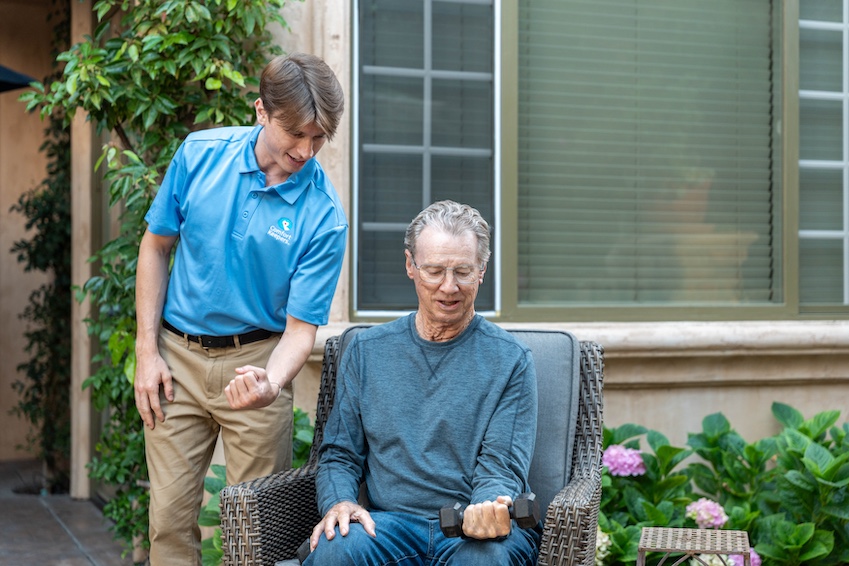
Returning home after a stroke can be an emotional milestone for seniors and family caregivers alike. There’s often a sense of uncertainty about home recovery, as well as relief when a loved one leaves the hospital or rehabilitation center.
Caring for a loved one can feel overwhelming and fulfilling at the same time. But with support and patience, seniors can regain independence, confidence, and quality of life.
Recovering from a stroke at home allows caregivers and loved ones to navigate recovery together in a familiar environment, even if you need some extra professional support to ease pressures.
What recovery after a stroke may look like
The road to recovery is rarely linear, and that’s okay. One day may be encouraging, with plenty of progress, while the next might be frustrating and feel like a setback. Yet any progress, even if it feels slow, is meaningful in the long term.
Some people recover quickly, while others need support from family members and caregivers to overcome difficulties. Everyone faces a different recovery journey, with different levels of support needed.
Challenges could be physical, including mobility limitations, speech difficulties, and fatigue. Others might be invisible. Many people experience memory lapses, concentration issues, and tough emotions like anxiety.
Stroke recovery support can be both emotional and practical. It’s important to celebrate every milestone, even the small wins. Plan extra time for tasks so loved ones can relax and take as long as they need as they settle back into their day-to-day.
Create a safe and supportive recovery environment at home
Much of the advice on recovering from a stroke at home centers around preventing falls. While injury prevention measures are necessary, it’s the comfort, familiarity, and psychological safety of being at home that helps seniors feel normal during their rehab.
When seniors are surrounded by their own home comforts, it helps reduce the frustration that sometimes arises during recovery in a facility. Adapting to a temporary new normal is less daunting because seniors can stay connected to their local community and enjoy familiar routines.
In practical terms, a few home adjustments may be necessary to make the transition more comfortable. For example:
Remove trip hazards, like rugs and cables.
Install grab bars in the bathroom and around exterior doors.
Improve lighting to make it more straightforward for seniors to navigate independently.
Move items used regularly within easy reach, perhaps using a portable trolley.
Even small environmental changes can help seniors feel more confident every day.
Help with daily routines while encouraging independence
Establishing routines is an effective way to reduce stress and build positivity in loved ones recovering from a stroke. Predictability makes it easier for your loved one to rediscover their independence while allowing caregivers and family members to provide adequate support and companionship when they need it.
Suitable routines will depend on the recovery stage and progress, so it’s important to be realistic and to encourage seniors to participate in regular daily activities. Caregivers can offer support throughout routines, such as:
Medication reminders.
Preparing meals that align with any doctor-recommended diets.
Assistance with dressing, bathing, and other personal care needs.
Mobility support, which could be as simple as offering an arm to hold.
No matter what your loved one’s routines look like, their dignity should be prioritized. Remind them that it’s okay to need a helping hand, even as you support them in regaining their independence.
Support rehabilitation exercises and healthy habits
Consistency is key during stroke recovery. Even when seniors experience setbacks, encouraging them to stay active will keep their recovery on track.
When supporting someone at home, caregivers can support with:
Doctor-recommended physical therapy exercises.
Gentle movements, such as light strolls around the yard.
Hydration and healthy eating habits to fuel their bodies.
Medication adherence.
Productive routines, such as longer mealtimes that give space and freedom to those with swallowing difficulties.
Caregivers are well-positioned to observe changes in mood, mobility, cognition, and appetite. Concerning shifts should be communicated to healthcare providers as soon as possible so that any necessary medical intervention can be provided.
Emotional recovery matters too
Stroke recovery should focus on emotions just as much as on physical factors. At-home recovery provides the ideal environment for seniors to feel emotionally safe in the comfort of their own homes. However, it’s normal for negative feelings to emerge, such as:
Embarrassment and self-consciousness after losing independence and requiring support with personal care tasks.
Frustration over not being able to do as much as before the stroke happened, or if communication is a struggle.
Loneliness, especially if reduced mobility prevents regular socialization.
Fear and guilt over becoming a perceived burden.
When these feelings do surface, it’s important to be there for your loved one and remind them that they are not alone and are not a burden. Focusing on natural moments of connection as they come throughout the day can also help in the face of challenges.
It’s also normal for caregivers to feel exhausted due to added responsibilities. For seniors and caregivers alike, finding joy and purpose in the little things is key during stroke recovery. Taking time for socializing and hobbies supports the emotional well-being of both caregivers and their loved ones; so fun should be factored into the recovery plan.
How personalized care plans can support dignity and quality of life
At-home stroke recovery care plans should be flexible and supportive, accommodating evolving care needs while helping your loved one to maintain independence and dignity.
It’s impossible to predict how long recovery will take, and that’s okay. Care plans don’t need a time frame; instead, they should be tailored to your loved one’s mobility, therapeutic, physical, and emotional needs. Seniors may need high levels of support immediately after hospital discharge and gradually need less hands-on assistance as they improve.
Challenges are expected during recovery, but with warmth and encouragement from caregivers, seniors can continue to live at home with purpose and joy.
Signs that additional support may be needed after a stroke
There may come a time when professional support is needed to aid stroke rehabilitation at home. Family members should recognize signs that their loved ones could benefit from additional help:
Missed medication doses.
Lower appetite or hydration.
Reluctance to attend follow-up appointments.
Withdrawal from favorite hobbies or social engagements.
Reduced mobility.
Family caregivers should also prioritize self-care, as their well-being is vital to providing proper support. If you’re suffering from caregiver burnout, it’s best that you take care of yourself first, while still being mindful of your loved one’s needs.
Fatigue or anxiety about leaving loved ones alone can mean it's time to seek external help. 24-hour care might not be necessary; even a few hours a day can make a positive difference to you and your loved one.
Asking for additional help is not a sign of failure. Extra support benefits seniors and their families by providing stress relief and helping seniors remain at home longer during rehabilitation.
Stroke Recovery Support from Comfort Keepers®
Comfort Keepers® provides in-home care for seniors recovering from strokes, offering customized support services that prioritize independence, safety, and mobility rehabilitation. Personalized care plans enable Comfort Keepers caregivers to assist with physical and emotional recovery after a stroke, uplifting and empowering seniors to find their way forward.
Learn more about stroke recovery at home for seniors and family caregivers alike by contacting your local Comfort Keepers team.
Sign up to receive helpful info right to your inbox.
We understand choosing an in-home care provider can be a difficult decision, and we want to make your journey as easy as possible. We're here to support you by providing helpful senior care tips and information on in-home care and senior health and wellbeing topics.
Start a Job with a Purpose
Uplifting training and support for you every step of the way.
Apply to be a caregiver