

Senior-Safe Snow Removal: Winter Home Maintenance for Rochester
Key Takeaways
Snow removal poses significant health risks for seniors, including heart strain, falls, and hypothermia, making proper preparation essential for Rochester winters.
Creating a comprehensive winter safety plan that includes professional snow removal services, emergency contacts, and proper equipment can significantly reduce winter hazards.
Indoor maintenance tasks like checking heating systems, preventing pipe freezes, and ensuring proper ventilation are equally important for senior winter safety.
Small preventative measures—such as installing grab bars, using ice melt products, and keeping emergency supplies—can make a substantial difference in winter safety.
Comfort Keepers Rochester offers companion care services that include winter home maintenance assistance, helping seniors stay safe while aging in place during harsh Rochester winters.
Why Is Winter Home Maintenance So Critical for Rochester Seniors?
Winter in Rochester presents unique challenges for seniors aging in place. With average annual snowfall exceeding 100 inches, snow removal and winter home maintenance aren't just conveniences—they're essential safety measures. Seniors face increased risks of falls, heart strain, and hypothermia when attempting to manage snow and ice themselves, making proper preparation and support critical components of winter wellness.
Understanding Winter Risks for Rochester Seniors
Rochester's winter climate creates specific challenges for older adults trying to maintain independence at home. With lake-effect snow from Lake Ontario contributing to substantial accumulation, seniors face not just occasional snowfall but potentially months of difficult conditions. Understanding these risks is the first step toward creating effective solutions.
Snow and ice present multifaceted dangers for older adults. The physical exertion of snow removal can strain the heart, with the American Heart Association warning that cold weather already causes blood vessels to constrict, raising blood pressure. When combined with the intense physical effort of shoveling, this creates a perfect storm for cardiac events. Research shows that rates of heart attacks increase significantly following major snowfalls, with adults over 65 at particular risk.
Beyond cardiac concerns, falls represent another serious threat. According to CDC data, one in four Americans aged 65+ falls each year, with winter conditions dramatically increasing this risk. Falls on ice can lead to serious injuries including hip fractures, which can be life-altering for seniors. Recovery from such injuries often requires lengthy rehabilitation and may permanently reduce mobility and independence.
The indoor environment presents its own set of winter challenges. Heating systems that malfunction can lead to dangerously low indoor temperatures, while improper ventilation of heating appliances risks carbon monoxide poisoning. The National Institute on Aging notes that older adults lose body heat faster than younger people, making them vulnerable to hypothermia even inside their homes if temperatures aren't properly maintained.
Financial considerations also come into play. The increased energy costs of heating a home through Rochester's long winters can strain fixed incomes. Meanwhile, water damage from frozen pipes or ice dams on roofs can lead to costly repairs that many seniors cannot easily afford.
Social isolation compounds these physical risks. Heavy snowfall can effectively trap seniors in their homes, cutting them off from community support, medical appointments, and social engagement. This isolation not only affects mental health but can delay necessary medical care and assistance.
For Rochester seniors, these winter challenges intersect with the strong desire to age in place. According to AARP research, more than 75% of adults 50 and older want to remain in their current homes as they age. However, winter home maintenance requirements can become a significant barrier to this goal, especially for those with mobility limitations, chronic health conditions, or those who live alone.
Creating a comprehensive approach to winter safety requires understanding not just the physical tasks of snow removal but also the broader context of senior health, home safety, and emotional well-being during Rochester's challenging winter months.
Common Winter Home Maintenance Challenges for Seniors
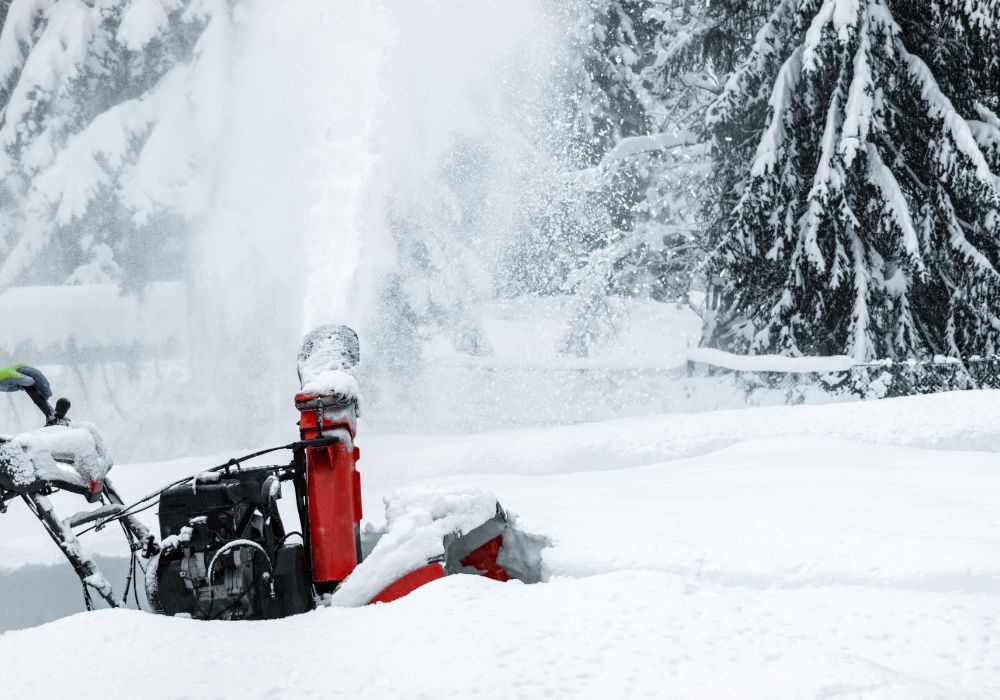
Snow Removal Hazards: Shoveling snow represents one of the most physically demanding and potentially dangerous winter tasks for seniors. The American Heart Association identifies snow shoveling as a significant trigger for heart attacks, especially among older adults who may have undiagnosed heart conditions. The combination of cold air (which constricts blood vessels and decreases oxygen to the heart) and physical exertion creates particular strain on the cardiovascular system. For seniors with arthritis or balance issues, the twisting and lifting motions of shoveling can also lead to falls or musculoskeletal injuries. Even using a snow blower requires physical strength and stability that may challenge older adults.
Ice Management Difficulties: Beyond snow accumulation, ice presents persistent dangers around senior homes. Ice can form quickly on walkways, steps, and driveways, creating nearly invisible hazards. Traditional ice management often involves spreading salt or ice melt products, which requires regular monitoring of outdoor surfaces and physical capability to distribute these materials. Many seniors struggle to maintain this vigilance, especially during extended cold periods when melted snow repeatedly refreezes. Additionally, the weight of ice buildup on roofs and gutters can cause structural damage, but addressing these issues typically requires climbing ladders—an activity particularly dangerous for older adults.
Indoor Temperature Regulation: Maintaining safe and comfortable indoor temperatures becomes more complex during Rochester winters. Older homes may have inefficient heating systems or inadequate insulation, creating uneven heating and cold spots. Seniors, who typically have lower metabolic rates and less insulating body fat, are particularly vulnerable to these temperature variations. Programming and maintaining thermostats, especially newer digital models, can be confusing for some older adults. Additionally, the cost of heating during extended cold periods creates financial strain for those on fixed incomes, sometimes leading seniors to set temperatures too low for safety in an attempt to save money.
Limited Mobility and Access Issues: Snow and ice can effectively trap seniors in their homes, cutting off access to essential services. Blocked walkways, snow-covered steps, and inaccessible driveways prevent safe entry and exit from the home. This isolation affects not just quality of life but can delay medical care and prescription refills. For seniors who use mobility devices such as walkers or wheelchairs, even a small amount of snow can make outdoor navigation impossible. These access challenges extend to emergency services as well—if pathways aren't cleared, emergency responders may face delays in reaching seniors during medical emergencies.
Senior-Safe Winter Maintenance Strategies
Strategy 1: Create a Comprehensive Snow Removal Plan
The foundation of winter safety begins with a reliable snow removal plan established before the first snowfall. For most seniors, this should include arranging professional snow removal services. When selecting a service, prioritize companies with experience serving older adults and those that offer prompt clearing after snowfalls of even just a few inches. The best services will clear not just driveways but also walkways, steps, and access to mailboxes and trash collection areas.
For seniors who can manage limited snow removal themselves, proper equipment becomes essential. A lightweight, ergonomic snow shovel with a curved handle reduces back strain, while a small electric snow blower might be manageable for those with good balance and moderate strength. Always keep ice melt products readily accessible near entrances, ideally in easy-pour containers that don't require significant lifting.
Building a neighborhood support network provides an additional safety layer. Identify reliable neighbors, especially those with snow blowers, who might assist during heavy snowfalls. Many Rochester neighborhoods have informal networks where neighbors help seniors with snow clearing, but these arrangements should be discussed and established before winter begins.
For emergency situations, keep a small supply of ice melt and a lightweight shovel inside the home, near each exit. This allows for clearing a small path if unexpected snow arrives before scheduled removal services can arrive. Comfort Keepers caregivers can assist with these preparations, ensuring all necessary supplies are in place and accessible.
Strategy 2: Implement Home Weatherization and Safety Modifications
Preparing the home itself for winter conditions significantly reduces risks. Start with a pre-winter inspection of the heating system by a qualified technician. This preventative maintenance not only ensures reliable heating but also reduces the risk of carbon monoxide issues. Install or check carbon monoxide detectors on every level of the home, particularly near sleeping areas and heating equipment.
Weatherization efforts should focus on preventing drafts and maintaining consistent indoor temperatures. Inexpensive solutions include door sweeps under exterior doors, window insulation kits for older windows, and draft stoppers for unused fireplaces. For homes with ceiling fans, reverse their direction to clockwise during winter, which pushes warm air down from the ceiling and improves heating efficiency.
Safety modifications for winter should address both indoor and outdoor hazards. Outdoors, install sturdy handrails on all steps and along walkways where possible. Consider temporary outdoor grab bars near entrances that can be installed without permanent modifications to the home. Improve lighting around all entrances, ideally with motion-sensing fixtures that illuminate automatically when approaching the door.
Inside the home, ensure pathways remain clear of clutter that could cause trips and falls. Place non-slip mats inside entrances to manage wet floors from snow tracked indoors. In bathrooms, where winter falls often occur due to hurrying in the cold, grab bars and non-slip mats in showers and tub areas provide essential support.
Strategy 3: Establish a Winter Emergency Preparedness System
Power outages and winter storms can create dangerous situations for seniors living alone. Creating a comprehensive emergency preparedness system provides crucial protection. Start with a detailed emergency contact list posted prominently near phones and programmed into cell phones, including family members, neighbors, utility companies, and emergency services.
Prepare a winter emergency kit that includes essential supplies: flashlights with extra batteries, a battery-powered or hand-crank radio, a supply of medications, non-perishable food items, bottled water, blankets, and a charged power bank for cell phones. Store this kit in an easily accessible location known to family members and caregivers.
For seniors with medical equipment requiring electricity, work with healthcare providers to develop a backup power plan. This might include battery backups or arrangements with neighbors who have generators. Register with local utility companies for priority service restoration if the senior uses medical equipment requiring power.
Establish a daily check-in system with family members or neighbors during winter months. This might be a simple morning phone call or text message that confirms all is well. Comfort Keepers caregivers can be part of this system, providing regular wellness checks especially during severe weather events.
Strategy 4: Develop Seasonal Indoor Maintenance Routines
Indoor maintenance becomes particularly important during winter months when seniors spend more time inside their homes. Establish a routine for checking the home's heating system, including changing furnace filters monthly during winter to maintain efficiency and air quality. Place easy-to-read thermometers in main living areas to monitor temperatures, keeping living spaces at a minimum of 68-70°F for senior safety.
To prevent pipe freezing, identify vulnerable pipes (particularly those along exterior walls) and insulate them with foam pipe sleeves available at hardware stores. On extremely cold nights, allow faucets connected to exposed pipes to drip slightly and open cabinet doors under sinks to allow warmer air to circulate around plumbing.
Humidity management becomes important during heating season, as overly dry air can exacerbate respiratory conditions and cause skin discomfort. Consider using room humidifiers in main living areas and bedrooms, with regular cleaning to prevent mold growth. Conversely, monitor for excess moisture that could indicate problems with ventilation or plumbing.
Establish a routine for checking smoke and carbon monoxide detectors monthly during winter when heating systems run constantly and the risk of fire or CO exposure increases. Comfort Keepers caregivers can assist with these regular safety checks, ensuring all systems are functioning properly throughout the winter season.
Additional Winter Support Resources for Rochester Seniors
Rochester offers several resources specifically designed to help seniors with winter challenges. The City of Rochester's Department of Neighborhood and Business Development provides a limited snow removal assistance program for income-eligible seniors and residents with disabilities. This program helps clear sidewalks after significant snowfalls, though application must be completed before winter begins.
Monroe County's Office for the Aging connects seniors with vetted service providers and volunteer organizations that assist with winter maintenance tasks. Their NY Connects helpline (585-325-2800) serves as a central access point for information on available services and can help seniors identify affordable options for snow removal and home maintenance.
Several local community organizations provide volunteer snow removal assistance, including Rochester's Neighbor-to-Neighbor program, which matches senior homeowners with volunteer snow removal help. Faith-based organizations like Catholic Family Center and local churches often coordinate volunteer efforts to assist seniors with winter maintenance tasks.
For emergency heating assistance, Rochester seniors may qualify for HEAP (Home Energy Assistance Program), which provides financial help with heating costs during winter months. The application process can be initiated through Monroe County's Department of Human Services or with assistance from NY Connects.
The American Red Cross of Greater Rochester offers disaster preparedness resources specifically tailored for seniors, including winter emergency planning guides and home safety checklists. Their local office provides free emergency preparedness presentations for senior groups and community centers.
For seniors who need transportation assistance during winter months, Medical Motors Service of Rochester provides door-to-door transportation to medical appointments, grocery shopping, and other essential activities, with vehicles equipped to handle winter conditions safely.
How Comfort Keepers Rochester Can Help
Comfort Keepers Rochester offers specialized companion care services that directly address the winter maintenance challenges seniors face. Our approach to Interactive Caregiving™ means we don't just provide services for seniors—we engage with them to maintain independence and quality of life, especially during challenging winter months.
Our caregivers assist with essential winter preparation tasks, including organizing snow removal services, arranging for pre-winter heating system inspections, and helping create emergency preparedness plans. We can coordinate with professional service providers or family members who handle snow removal, ensuring all parties understand the senior's specific needs and access requirements.
Daily monitoring of home safety becomes particularly important during winter. Comfort Keepers caregivers regularly check that walkways remain clear, heating systems function properly, and indoor temperatures stay at safe levels. We can assist with simple maintenance tasks like changing furnace filters, checking smoke detectors, and ensuring adequate humidity levels in the home.
Transportation assistance represents one of our most valuable winter services. When outdoor conditions make driving hazardous for seniors, our caregivers provide safe transportation to medical appointments, grocery shopping, pharmacy visits, and social engagements. This service helps prevent the isolation that often occurs when seniors feel trapped by winter weather.
For seniors who can manage some snow removal themselves, our caregivers provide supportive assistance, ensuring proper technique, appropriate rest breaks, and supervision for safety. We can help with lighter tasks like spreading ice melt or clearing small areas while encouraging seniors to avoid overexertion.
Grocery shopping and meal preparation services become especially valuable during winter when outdoor trips become more difficult and nutritious meals are essential for maintaining health. Our caregivers can ensure pantries remain stocked with shelf-stable emergency food supplies while providing regular fresh food shopping and meal preparation.
Our 24/7 availability means seniors have support even during unexpected winter events. Whether it's a middle-of-the-night power outage or a sudden snowfall that blocks access, Comfort Keepers can provide emergency assistance and regular check-ins during severe weather events.
Perhaps most importantly, Comfort Keepers provides companionship during the winter months when social isolation often increases for seniors. Regular visits from our caregivers provide not just practical assistance but also vital social connection, engaging seniors in conversations, activities, and cognitive stimulation that helps maintain mental well-being during Rochester's long winters.
Our personalized care plans adapt to each senior's specific needs, home layout, and winter challenges. We recognize that winter safety requirements vary widely based on the home's construction, the senior's health status, and their existing support network. Each care plan is developed with input from the senior and their family, focusing on maintaining independence while ensuring safety.
By addressing both the physical challenges of winter home maintenance and the emotional aspects of winter wellness, Comfort Keepers Rochester helps seniors continue aging in place safely, maintaining the independence they value while providing families with peace of mind during Rochester's challenging winter months.
Through our comprehensive approach to winter care, we elevate the human spirit and help seniors not just survive Rochester winters but thrive during them, maintaining quality of life year-round in the homes they love.