

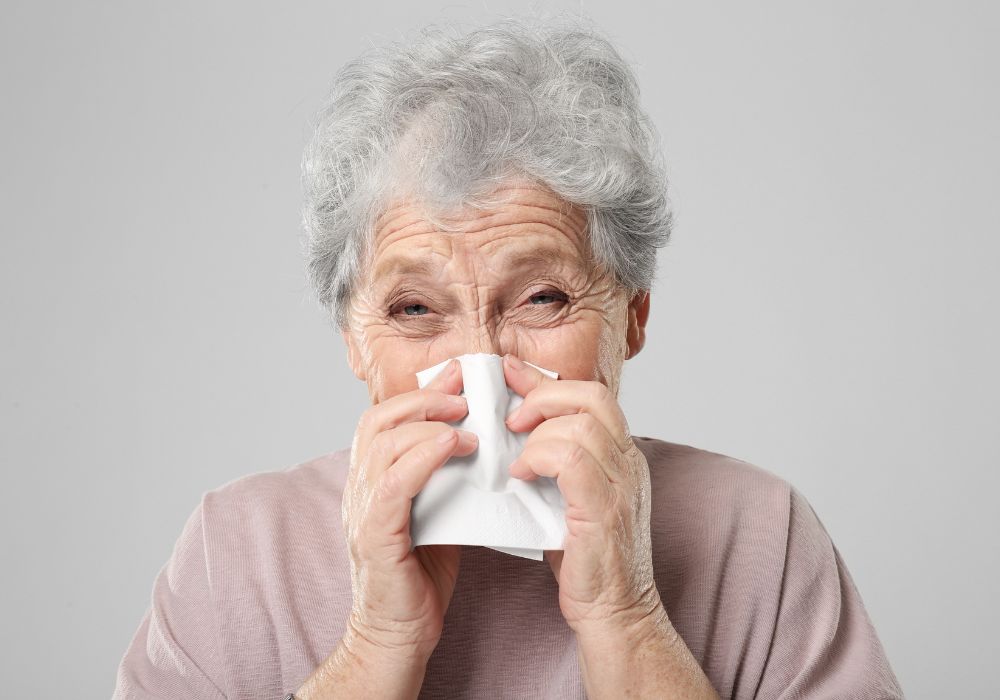
Managing Seasonal Allergies: Tips for Galloway Seniors
Key Takeaways
Seasonal allergies can be more severe for seniors, with symptoms often mistaken for other conditions and potentially interacting with existing medications
Environmental modifications like HEPA filters, regular cleaning, and monitoring local pollen counts can significantly reduce allergen exposure
Non-medication approaches including saline rinses, proper hydration, and dietary adjustments can provide relief with minimal side effects
When medication is necessary, seniors should consult healthcare providers about age-appropriate options that won't interact with existing prescriptions
Comfort Keepers Galloway offers specialized companion care that helps seniors manage allergy symptoms while maintaining independence and quality of life at home
Why Are Seasonal Allergies More Challenging for Older Adults?
Seasonal allergies affect seniors differently than younger adults. As we age, our immune systems change, sometimes causing more severe reactions to allergens or developing new allergies altogether. Additionally, many seniors take multiple medications for chronic conditions, creating potential interactions with allergy treatments that require careful management.
Understanding Seasonal Allergies in Seniors
Seasonal allergies, also known as allergic rhinitis or hay fever, occur when the immune system overreacts to environmental triggers like pollen, mold, or grass. For Galloway seniors, these reactions can be particularly troublesome due to the area's diverse plant life and varying seasonal conditions.
The immune system changes as we age in a process called immunosenescence. This natural aging of immune function can alter how seniors respond to allergens. Some older adults who never experienced allergies in their youth may suddenly develop symptoms in their 60s, 70s, or beyond. Conversely, others might find that allergies that plagued them throughout life become less severe. These unpredictable changes can make diagnosis and treatment more challenging.
For Galloway residents, the local environment presents specific challenges. Atlantic County's diverse vegetation includes many common allergens that peak at different times of the year. Spring brings tree pollen from oak, maple, and pine trees abundant in the area. Summer introduces grass pollens, while fall brings ragweed—a particularly potent allergen that thrives in the region. The area's humidity also contributes to mold growth, another significant trigger for many seniors.
The physical effects of allergies extend beyond mere discomfort. For seniors, allergic reactions can exacerbate existing respiratory conditions like COPD or asthma, potentially leading to serious complications. The inflammation caused by allergic reactions can increase pressure in sinuses and affect eustachian tubes, worsening hearing difficulties that many seniors already experience. Chronic congestion can also disrupt sleep patterns, leading to daytime fatigue and reduced quality of life.
Perhaps most concerning is how allergy symptoms can be misinterpreted in older adults. Symptoms like fatigue, headache, or cognitive fogginess might be attributed to other age-related conditions or medication side effects rather than allergies. This misidentification can lead to inappropriate treatments or unnecessary suffering. According to the National Institute on Aging, proper diagnosis of allergies in seniors is often delayed compared to younger populations.
Additionally, many seniors in Galloway live with chronic conditions that require daily medication. These medications may interact with traditional allergy treatments or exacerbate allergy symptoms. For instance, some blood pressure medications can worsen nasal congestion, while certain antihistamines can interact negatively with medications for glaucoma or enlarged prostate.
Understanding these complexities is essential for effectively managing seasonal allergies in the senior population. With proper awareness and targeted strategies, Galloway seniors can minimize the impact of seasonal allergies and maintain their quality of life throughout the year.
Common Allergy Symptoms and Complications for Seniors
Respiratory Symptoms: Seniors often experience more severe respiratory reactions to allergens. Beyond typical nasal congestion and sneezing, older adults may develop wheezing, shortness of breath, or exacerbation of existing conditions like asthma or COPD. According to the CDC, respiratory complications from allergies lead to approximately 200,000 emergency room visits annually among older adults. For Galloway seniors, the combination of coastal humidity and diverse plant life can intensify these symptoms, particularly during peak pollen seasons.
Medication Interactions and Side Effects: Many seniors take multiple medications for chronic conditions, creating complex interactions with allergy treatments. Antihistamines, particularly older formulations, can cause excessive drowsiness, dizziness, confusion, urinary retention, and dry mouth in seniors. These side effects increase fall risk and may exacerbate existing conditions like glaucoma or prostate issues. The American College of Allergy, Asthma and Immunology notes that seniors metabolize medications differently, often requiring adjusted dosages or alternative treatments.
Sleep Disruption and Quality of Life Impact: Allergies significantly impact sleep quality for seniors. Nighttime congestion, coughing, and breathing difficulties can lead to insomnia or sleep fragmentation. According to research from the National Institute on Aging, poor sleep quality from allergies contributes to daytime fatigue, irritability, and decreased cognitive function in older adults. For Galloway seniors, this sleep disruption can reduce independence and limit participation in community activities, particularly during peak allergy seasons.
Skin Reactions and Comfort Issues: Allergic skin reactions, including contact dermatitis and eczema flares, often worsen with age due to thinner, drier skin. These reactions can cause intense discomfort and increase infection risk if scratching damages the skin barrier. The humidity in Galloway can sometimes exacerbate these skin conditions, creating additional challenges for seniors already managing seasonal allergies. Proper skin care becomes an essential component of comprehensive allergy management for older adults.
Effective Allergy Management Strategies for Galloway Seniors
Strategy 1: Create an Allergen-Reduced Home Environment For Galloway seniors, modifying the home environment provides a foundation for allergy relief. Start by installing high-efficiency particulate air (HEPA) filters in your HVAC system and consider standalone air purifiers for bedrooms and living areas. These filters can remove up to 99.97% of airborne allergens, including pollen, dust mites, and pet dander. Replace filters regularly according to manufacturer recommendations—typically every 3-6 months.
Window management is particularly important in Galloway due to the area's diverse allergens. Keep windows closed during peak pollen times (typically early morning and early evening) and on high pollen count days. The National Allergy Bureau provides daily pollen forecasts specific to the region that can guide these decisions. Consider installing window filters if you prefer fresh air but need protection from outdoor allergens.
Bedding requires special attention since seniors spend significant time sleeping. Use allergen-proof covers for mattresses, box springs, and pillows to create barriers against dust mites. Wash bedding weekly in hot water (at least 130°F) to kill dust mites and remove allergens. Consider replacing down pillows or comforters with hypoallergenic alternatives if they trigger symptoms.
Finally, adjust cleaning routines to reduce allergen accumulation. Use a vacuum with a HEPA filter and damp-mop hard floors rather than sweeping, which can redistribute allergens. Clean high-touch surfaces and dust collectors regularly with microfiber cloths that trap particles rather than dispersing them. For many Galloway seniors, scheduling these cleaning tasks when energy levels are highest or arranging assistance from caregivers ensures consistency without overexertion.
Strategy 2: Implement Non-Medication Relief Approaches Saline nasal irrigation stands out as one of the most effective non-drug interventions for allergy symptoms. Using a neti pot or saline spray helps flush allergens from nasal passages, reducing inflammation and congestion. The American Academy of Allergy, Asthma and Immunology recommends using distilled or previously boiled water (cooled to lukewarm) with pharmaceutical-grade salt packets for safety and effectiveness. For Galloway seniors with dexterity challenges, pre-packaged saline sprays offer a simpler alternative.
Hydration plays a crucial role in managing allergy symptoms. Drinking adequate water (typically 6-8 glasses daily unless medically restricted) helps thin mucus secretions, making them easier to clear. Warm beverages like herbal teas can provide additional comfort for irritated throats and congested sinuses. Seniors should keep water accessible throughout the day to maintain consistent hydration.
Dietary adjustments may also provide relief. Some foods have natural antihistamine or anti-inflammatory properties that can complement other allergy management strategies. Consider incorporating omega-3 rich foods (like salmon and walnuts), quercetin-containing options (such as apples, berries, and onions), and probiotic sources (yogurt with live cultures, kefir, or fermented vegetables) into meals. Conversely, some Galloway seniors may benefit from identifying and limiting foods that seem to worsen their allergy symptoms, such as dairy products that can increase mucus production in sensitive individuals.
Steam therapy offers another gentle intervention. Inhaling warm, humid air can help soothe irritated nasal passages and loosen congestion. Taking a warm shower, using a facial steamer, or simply breathing deeply over a bowl of warm water (with a towel draped over the head to capture the steam) provides temporary relief. This approach is particularly helpful before bedtime to improve sleep quality.
Strategy 3: Develop an Outdoor Management Plan Timing outdoor activities strategically can significantly reduce allergen exposure. Pollen counts in Galloway typically peak in the early morning (5-10 AM) and again in the early evening as cooling air causes pollen to settle. Scheduling outdoor activities for late morning or afternoon when possible can minimize exposure. Additionally, checking local pollen forecasts through resources like the National Allergy Bureau or weather apps helps identify particularly high-risk days when indoor activities might be preferable.
Protective clothing and accessories create barriers against allergens. Wide-brimmed hats help keep pollen from settling in hair, while sunglasses (preferably wrap-around styles) protect eyes from irritating particles. During high pollen seasons, changing and washing clothes after extended outdoor time prevents allergens from spreading throughout the home. Some Galloway seniors find that wearing a lightweight mask during outdoor activities provides additional protection, particularly when gardening or during necessary outings on high pollen days.
Post-outdoor routines are equally important. Rinsing off after coming indoors helps remove pollen from skin and hair. At minimum, washing hands and face can reduce symptom triggers. For those with severe allergies, showering and changing clothes after significant outdoor exposure prevents allergens from being transferred to furniture and bedding. These simple habits create a cleaner indoor environment and reduce ongoing exposure.
Garden and yard management requires special consideration for Galloway seniors who maintain their own properties. Choosing low-allergen plants (those pollinated by insects rather than wind) can create a more comfortable outdoor space. Native plants like female red maple, flowering dogwood, and eastern redbud produce less allergenic pollen than many imported varieties. For those with grass allergies, considering alternative ground covers or hiring help for lawn maintenance during peak pollen seasons can provide significant relief.
Strategy 4: Work with Healthcare Providers on Medication Management Medication selection requires special consideration for seniors. Over-the-counter options include newer generation antihistamines (like cetirizine, loratadine, or fexofenadine) that cause less drowsiness and fewer side effects than older formulations. Nasal corticosteroid sprays effectively reduce inflammation but require consistent use for maximum benefit. Seniors should consult healthcare providers before starting any medication—even over-the-counter options—to check for potential interactions with existing prescriptions and to determine appropriate dosages based on age and kidney function.
Timing medications optimizes effectiveness while minimizing side effects. Taking antihistamines in the evening may be preferable for seniors who experience drowsiness, while those who find them stimulating should take morning doses. Nasal sprays work best when used consistently at the same time each day, often with greater effectiveness when administered after nasal irrigation has cleared passages. Creating medication reminders through smartphone apps, pill organizers, or caregiver assistance helps maintain consistent treatment schedules.
Prescription options become important for seniors with severe or persistent allergies. Allergy immunotherapy (allergy shots or sublingual tablets) can provide long-term relief by gradually desensitizing the immune system to specific allergens. While this approach requires commitment to a treatment schedule, it offers the possibility of reduced medication dependence over time. For Galloway seniors with complex health conditions, working with an allergist to develop a personalized treatment plan may provide the most effective management approach.
Resources for Galloway Seniors with Allergies
Local medical resources in Atlantic County offer specialized support for seniors with allergies. The AtlantiCare Health System provides allergy and immunology services with physicians experienced in treating older adults. Shore Medical Center's pulmonology department can address respiratory complications from allergies. For comprehensive evaluation, seniors might consider visiting the Asthma & Allergy Associates of Southern New Jersey, which offers specialized testing and treatment plans for older patients.
Community support services enhance medical care. The Atlantic County Division of Intergenerational Services provides resources and programs specifically for seniors, including health education workshops that sometimes cover allergy management. The Galloway Senior Services Center offers programs where seniors can connect with peers experiencing similar health challenges. Additionally, local pharmacists at establishments like Galloway PharmaCare often provide free consultations about over-the-counter allergy medications and potential interactions with prescription drugs.
Digital resources provide accessible information between medical visits. The American College of Allergy, Asthma and Immunology (acaai.org) offers a senior-specific section with evidence-based recommendations. The National Institute on Aging (nia.nih.gov) provides clear information about managing chronic conditions, including allergies. For local allergen tracking, the National Allergy Bureau's website and pollen.com offer daily forecasts specific to the Galloway area, helping seniors plan activities around high-risk periods.
How Comfort Keepers Galloway Can Help
At Comfort Keepers Galloway, we understand that seasonal allergies can significantly impact seniors' quality of life and independence. Our Interactive Caregiving™ approach addresses allergy management as part of our comprehensive in-home care services, helping seniors thrive despite seasonal challenges.
Our professional caregivers assist with environmental modifications that reduce allergen exposure. We incorporate regular dusting with microfiber cloths, vacuuming with HEPA-filtered equipment, and laundering of bedding into our light housekeeping services. Caregivers can also help monitor and replace air filters, ensuring home air quality remains optimal throughout changing seasons. These preventative measures create a cleaner, more comfortable living environment that minimizes allergy triggers.
Medication management support helps seniors maintain their treatment regimens effectively. Our caregivers provide medication reminders according to prescribed schedules, ensuring that allergy medications are taken consistently for maximum effectiveness. We can also assist with proper use of nasal sprays, eye drops, or other allergy treatments that may be challenging to administer independently. For seniors who use multiple medications, our caregivers help monitor for potential side effects or interactions, communicating concerns to healthcare providers or family members as needed.
Nutrition and hydration play crucial roles in allergy management, and our meal preparation services incorporate allergy-friendly options. Caregivers can prepare foods rich in immune-supporting nutrients while avoiding known dietary triggers. We ensure seniors stay properly hydrated, which helps thin mucus secretions and supports overall respiratory health. Our shared mealtime approach encourages proper nutrition while providing valuable social interaction that contributes to overall well-being.
Transportation to medical appointments becomes especially important during allergy season. Comfort Keepers Galloway provides reliable transportation and accompaniment to allergist visits, pharmacy trips, or other healthcare appointments. Our caregivers can take notes during medical consultations, helping seniors remember and implement healthcare providers' recommendations. This support ensures that allergy management plans are properly understood and followed.
Beyond physical care, our caregivers provide emotional support during difficult allergy seasons. We engage seniors in appropriate indoor activities when outdoor allergens are high, preventing isolation while minimizing symptom triggers. For those who enjoy gardening, our caregivers can help identify low-allergen plants and provide assistance with outdoor activities to reduce exposure while maintaining beloved hobbies.
Our 24/7 availability ensures that Galloway seniors have support whenever allergy symptoms become problematic. Whether it's assistance with middle-of-the-night congestion or help implementing new allergy management strategies, our flexible care scheduling adapts to each senior's changing needs throughout allergy seasons.
The Comfort Keepers difference lies in our personalized approach. We recognize that each senior's allergy triggers, symptoms, and effective management strategies are unique. Our care plans are customized to address individual challenges, preferences, and healthcare recommendations. We work collaboratively with seniors, their families, and healthcare providers to create comprehensive allergy management approaches that maintain dignity and independence.
By combining practical assistance with compassionate support, Comfort Keepers Galloway helps seniors navigate seasonal allergies without compromising their quality of life or ability to age in place. Our goal is to elevate the human spirit by ensuring that seasonal allergies don't limit seniors' enjoyment of life in their beloved Galloway homes.
To learn more about how our specialized companion care services can help manage seasonal allergies and other health challenges, contact Comfort Keepers Galloway for a free consultation. Together, we can create a care plan that addresses your unique needs and helps you thrive throughout every season.