

Senior-Safe Gardening in Phoenix: Desert Landscaping and Indoor Plants
Key Takeaways
Desert landscaping offers seniors in Phoenix a low-maintenance, water-efficient way to enjoy gardening while minimizing fall risks and physical strain.
Indoor plants provide therapeutic benefits for seniors, including improved air quality, reduced stress, and cognitive stimulation without exposure to harsh desert elements.
Adaptive gardening tools and raised beds can help seniors with mobility challenges continue to enjoy gardening safely and comfortably.
Proper hydration, sun protection, and scheduling gardening activities during cooler hours are essential safety practices for seniors gardening in Phoenix's extreme climate.
Comfort Keepers Phoenix can provide companionship and assistance with gardening activities, helping seniors maintain this fulfilling hobby while ensuring their safety.
How Can Seniors Garden Safely in Phoenix's Extreme Climate?
Phoenix's intense heat and arid conditions present unique challenges for senior gardeners. With thoughtful planning, appropriate plant selection, and adaptive techniques, seniors can safely enjoy the therapeutic benefits of gardening year-round. Desert landscaping and indoor plant care offer two complementary approaches that accommodate Phoenix's climate while providing accessible options for seniors with varying physical capabilities.
Understanding the Benefits of Gardening for Seniors in Phoenix
Gardening is more than just a pleasant pastime—it's a therapeutic activity with significant health benefits, especially for seniors. Research from the National Institute on Aging indicates that gardening can help reduce stress, improve flexibility, strengthen muscles, and boost vitamin D levels. For Phoenix seniors, gardening provides a meaningful connection to nature while offering physical exercise that can be adapted to various ability levels.
The mental health benefits are equally impressive. Gardening has been shown to reduce depression and anxiety symptoms, improve cognitive function, and provide a sense of purpose and accomplishment. According to studies referenced by the CDC, regular interaction with plants can lower blood pressure and reduce the risk of dementia by up to 36%. These benefits are particularly valuable for seniors who may be experiencing isolation or cognitive changes.
However, Phoenix presents unique gardening challenges. With summer temperatures regularly exceeding 110°F, limited water resources, and intense sun exposure, traditional gardening approaches can be dangerous for seniors. Heat-related illness is a serious concern, with seniors being particularly vulnerable due to age-related changes in the body's ability to regulate temperature and respond to thirst signals.
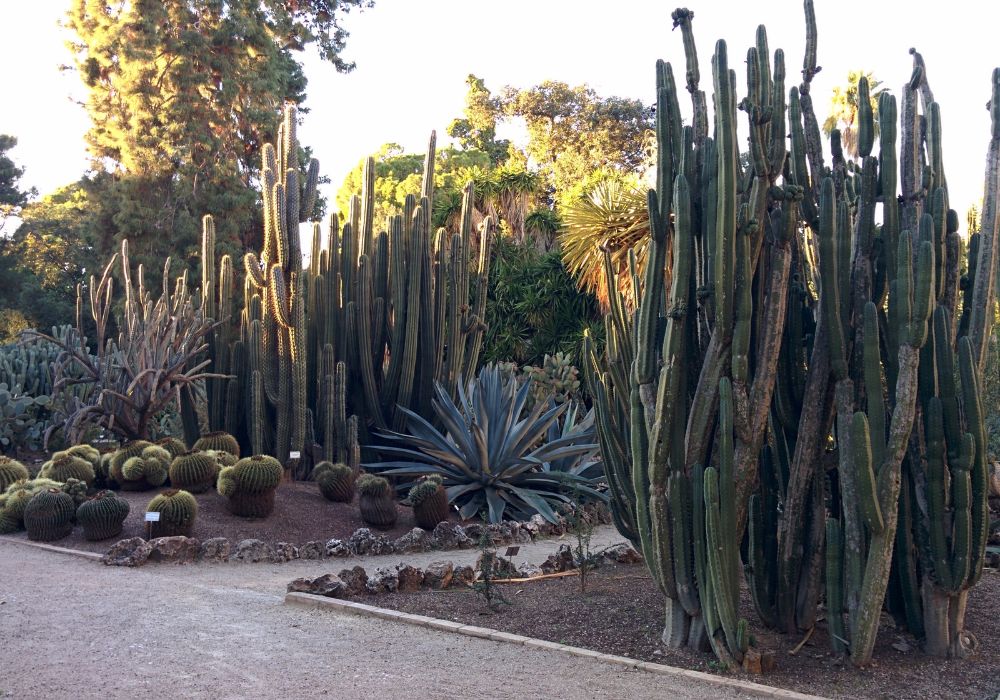
Desert landscaping (xeriscaping) offers a solution that works with Phoenix's natural environment rather than against it. This approach focuses on drought-tolerant native plants that thrive with minimal water and maintenance. For seniors, this means less physical strain from watering, weeding, and maintenance while still enjoying the benefits of gardening.
Indoor gardening provides another senior-friendly option, creating a controlled environment where temperature extremes can be avoided. From small herb gardens on kitchen windowsills to collections of succulents or air-purifying houseplants, indoor gardening allows Phoenix seniors to nurture plants year-round without weather concerns.
Both approaches can be tailored to accommodate physical limitations. Raised beds reduce the need to bend and stoop, vertical gardens minimize reaching, and adaptive tools make gardening accessible even for those with arthritis or limited strength. With thoughtful planning and appropriate precautions, gardening can remain a safe, fulfilling activity for Phoenix seniors throughout their later years.
The key is to understand how Phoenix's unique environment affects gardening practices and to implement strategies that protect seniors' health while allowing them to enjoy this rewarding activity. By combining desert-appropriate landscaping techniques with indoor gardening options, seniors can maintain a meaningful connection to nature regardless of the season or their physical capabilities.
Common Challenges for Senior Gardeners in Phoenix
Extreme Heat Exposure: Phoenix regularly experiences temperatures exceeding 110°F during summer months. For seniors, whose bodies are less efficient at regulating temperature, this presents a serious risk of heat exhaustion and heat stroke. According to the CDC, adults over 65 are more susceptible to heat-related illness due to age-related changes in the body's ability to respond to heat and certain medications that can affect temperature regulation. Working outdoors during Phoenix summers without proper precautions can quickly lead to dangerous health situations for seniors.
Physical Limitations and Fall Risks: Traditional gardening often involves kneeling, bending, lifting heavy objects, and navigating uneven terrain—all activities that become more challenging and potentially dangerous with age. The National Institute on Aging reports that one in four Americans aged 65+ falls each year, and falls are the leading cause of fatal and non-fatal injuries among older adults. In a garden setting with irrigation hoses, tools, and uneven surfaces, these risks are amplified. Many seniors also experience reduced strength, limited mobility, arthritis, or balance issues that can make conventional gardening tasks painful or impossible.
Water Conservation Challenges: Phoenix's desert climate necessitates careful water management. Traditional gardens can require significant amounts of water—a resource that's both environmentally and financially costly in Arizona. Seniors on fixed incomes may struggle with increased water bills, while those with physical limitations may find managing irrigation systems difficult. Additionally, wet surfaces from irrigation can create slipping hazards, particularly concerning for older adults with balance issues.
Sun Damage and Skin Cancer Risk: Arizona has one of the highest skin cancer rates in the nation, and seniors who spent previous decades gardening without today's understanding of sun protection may be particularly vulnerable. According to the Mayo Clinic, older adults who experienced sunburns earlier in life have an increased risk of developing skin cancer. The intense Phoenix sun can cause rapid sunburn, and seniors' thinner, more fragile skin is especially susceptible to damage.
Senior-Safe Gardening Strategies for Phoenix
Strategy 1: Embrace Desert Landscaping (Xeriscaping) Desert landscaping isn't just environmentally responsible in Phoenix—it's also senior-friendly. Xeriscaping utilizes drought-tolerant native plants that require minimal maintenance once established, reducing the physical demands on senior gardeners. Consider plants like desert marigold, brittlebush, and various cacti and succulents that thrive with little attention. These plants typically need watering only every few weeks once established, significantly reducing the physical strain of garden maintenance.
Create defined pathways with stable, non-slip surfaces between planting areas to prevent trips and falls. Decomposed granite, properly installed, provides good traction while maintaining the desert aesthetic. Avoid loose gravel that can shift underfoot. Incorporate seating areas throughout the garden where seniors can rest in the shade, and consider installing drip irrigation systems that deliver water directly to plants, eliminating the need to manage hoses and reducing slip hazards from excess water on walkways.
For seniors with existing gardens who want to transition to xeriscaping, consider a phased approach. Convert one section at a time, starting with areas that require the most maintenance or water. Many local nurseries offer consultations specifically for xeriscaping conversions and can recommend plants that provide visual interest throughout the year with minimal care requirements.
Strategy 2: Create Accessible Indoor Garden Spaces Indoor gardening provides a climate-controlled alternative that allows seniors to enjoy plants year-round without weather concerns. Start with easy-care houseplants like snake plants, pothos, or ZZ plants that tolerate inconsistent watering and varying light conditions. These plants also improve indoor air quality, which can benefit seniors with respiratory issues.
Set up dedicated plant areas near windows but out of direct afternoon sun, which can be too intense even for indoor plants in Phoenix. Use rolling plant stands for larger pots, allowing them to be moved easily for cleaning or light adjustment without heavy lifting. Consider self-watering containers that reduce watering frequency and make maintenance simpler for those with arthritis or strength limitations.
Herb gardens are particularly rewarding indoor options for seniors, providing both visual and culinary benefits. Basil, mint, chives, and rosemary can thrive on bright windowsills and add fresh flavors to meals. The aromatic qualities of herbs can also stimulate the senses and evoke memories, offering cognitive benefits beyond the simple pleasure of growing plants.
Strategy 3: Implement Adaptive Gardening Techniques Vertical gardening reduces the need to bend or kneel by bringing plants up to a more accessible height. Wall-mounted planters, trellises for climbing plants, or purchased vertical garden systems can maximize growing space while minimizing physical strain. These systems are ideal for both outdoor patios and indoor spaces, allowing seniors to garden comfortably regardless of mobility challenges.
Raised garden beds eliminate the need to bend to ground level and can be built at custom heights to accommodate wheelchairs or walkers. For desert gardening, consider metal raised beds with shade covers that protect both plants and gardeners from intense sun. These can be filled with specialized soil mixes that retain moisture better than native Phoenix soil, reducing watering frequency.
Invest in ergonomic, lightweight gardening tools designed specifically for seniors. Long-handled tools reduce reaching and bending, while tools with cushioned grips are easier on arthritic hands. Tool organizers mounted at accessible heights prevent trips and falls from searching for misplaced equipment. For indoor gardening, small hand tools with ergonomic grips make plant maintenance manageable even for those with limited hand strength.
Strategy 4: Practice Heat-Smart Gardening Habits Schedule gardening activities during the coolest parts of the day—early morning before 9 AM is ideal in Phoenix, particularly during summer months. Create a gardening calendar that shifts more intensive activities to fall, winter, and spring months when temperatures are more moderate. During summer, focus on quick maintenance tasks or indoor gardening projects.
Proper hydration is essential. Seniors should drink water before, during, and after gardening, even if they don't feel thirsty. Keep a large water bottle with measurement markings nearby as a visual reminder to drink regularly. Electrolyte beverages can be beneficial during extended gardening sessions, especially in hot weather.
Sun protection must be comprehensive. Wide-brimmed hats, lightweight long-sleeved shirts, and pants made from UV-protective fabric provide better protection than sunscreen alone. When using sunscreen, choose broad-spectrum SPF 50+ and reapply every two hours. Garden gloves protect hands not just from dirt and thorns but also from sun damage on this often-overlooked area.
Desert-Friendly Plants for Senior Gardeners
Low-Maintenance Native Options
When selecting plants for a senior-friendly desert garden, prioritize native species that have naturally adapted to Phoenix's climate. These plants require minimal intervention once established, making them ideal for seniors with limited energy or mobility:
Desert Marigold (Baileya multiradiata): These bright yellow flowers bloom throughout much of the year with almost no maintenance. They're drought-tolerant, self-seeding, and attract butterflies, providing visual interest with very little care.
Penstemon species: With tubular flowers in shades of red, pink, and purple, penstemons attract hummingbirds and provide color without demanding attention. They require minimal pruning and are extremely drought-tolerant once established.
Brittlebush (Encelia farinosa): This silvery-leaved shrub produces bright yellow flowers in spring and needs almost no maintenance. It's particularly valuable for seniors because it requires no deadheading and very infrequent pruning.
Desert Spoon (Dasylirion wheeleri): This architectural plant provides year-round structure and visual interest without requiring regular attention. Its symmetrical form means it looks tidy without pruning.
Senior-Friendly Cacti and Succulents
Many cacti and succulents offer the perfect combination of visual appeal and minimal maintenance for senior gardeners:
Golden Barrel Cactus (Echinocactus grusonii): This perfectly round cactus requires almost no care and provides strong visual impact. Its symmetrical shape means it always looks tidy without intervention.
Agave species: Choose smaller varieties like Agave victoriae-reginae that won't outgrow their space. These sculptural plants need watering only a few times per year once established.
Aloe vera: Beyond its minimal care requirements, aloe provides medicinal benefits. Seniors can break off leaves to treat minor skin irritations, adding practical value to this easy-care plant.
Paddle Plant (Kalanchoe thyrsiflora): With distinctive round, red-edged leaves, this succulent provides visual interest year-round and requires watering only every few weeks.
Indoor Plants for Air Purification
For indoor gardening, focus on plants that improve air quality while requiring minimal care:
Snake Plant (Sansevieria): Nearly indestructible, snake plants thrive on neglect and are excellent air purifiers, removing toxins like formaldehyde and benzene from indoor air.
ZZ Plant (Zamioculcas zamiifolia): Extremely drought-tolerant, ZZ plants can go weeks without water and still look lush. Their glossy leaves add a tropical feel to indoor spaces with very little maintenance.
Spider Plant (Chlorophytum comosum): These produce plantlets that can be easily propagated, giving seniors the satisfaction of multiplying their collection with minimal effort. They're also excellent air purifiers.
Chinese Evergreen (Aglaonema): Available in various patterns and colors, these plants tolerate low light and irregular watering, making them forgiving choices for seniors who might occasionally forget plant care.
How Comfort Keepers Phoenix Can Help
At Comfort Keepers Phoenix, we understand that gardening is more than just a hobby for many seniors—it's a source of joy, purpose, and connection to nature. Our Interactive Caregiving™ approach is perfectly suited to supporting seniors who wish to maintain their gardening activities safely, whether they're tending desert landscapes or nurturing indoor plants.
Our caregivers are trained to do things WITH clients rather than simply FOR them, making gardening activities an ideal opportunity for meaningful engagement. For seniors who love gardening but find certain tasks challenging due to mobility issues, arthritis, or concerns about heat exposure, our caregivers can provide just the right level of assistance while encouraging independence.
During Phoenix's extreme summer heat, our caregivers can help monitor outdoor gardening sessions to ensure they're conducted during the coolest parts of the day and are appropriately timed to prevent overexertion. We can assist with setting up shade structures, ensuring proper hydration, and applying sun protection. Our caregivers are trained to recognize early signs of heat-related illness, providing an important safety net for seniors gardening in our challenging climate.
For clients interested in transitioning to more desert-appropriate landscaping, our caregivers can assist with research, accompany seniors to local nurseries to select appropriate plants, and help with the physical aspects of garden renovation. We can support seniors in implementing raised beds, vertical gardening systems, or other adaptive approaches that make gardening more accessible as needs change.
Indoor gardening projects provide excellent opportunities for cognitive stimulation and sensory engagement. Our caregivers can help establish and maintain indoor plant collections, assisting with watering schedules, repotting, and other care tasks as needed. For clients with memory challenges, tending to plants with a caregiver provides gentle routine and accomplishment, contributing to improved well-being.
Transportation is another valuable service we offer to gardening enthusiasts. Our caregivers can drive clients to garden centers, botanical gardens for inspiration, or gardening workshops offered throughout the Phoenix area. These outings combine the benefits of social engagement with the pursuit of gardening interests.
For seniors who find themselves unable to maintain larger outdoor gardens, our caregivers can help transition to container gardening on patios or indoor gardening, ensuring this meaningful activity continues despite changing capabilities. We can assist with adapting gardening approaches to accommodate physical limitations while preserving the joy and therapeutic benefits gardening provides.
Our meal preparation services can incorporate harvests from clients' herb gardens or vegetable containers, creating a satisfying farm-to-table experience that celebrates their gardening efforts. This integration of gardening with nutrition supports physical health while honoring the senior's contribution to their own care.
At Comfort Keepers Phoenix, we believe that gardening—adapted appropriately for our desert climate and individual needs—can be a vital part of elevating the human spirit for seniors. Our caregivers are committed to supporting this life-enriching activity in ways that ensure safety while maximizing independence and joy. Whether it's maintaining a xeriscape garden during cooler morning hours or nurturing a collection of air-purifying houseplants, we're here to help seniors continue their gardening journey safely and joyfully.
To learn more about how we can support your loved one's gardening interests while ensuring their safety in Phoenix's unique climate, contact us for a free consultation. Together, we can develop a care plan that incorporates the therapeutic benefits of gardening while addressing the specific challenges of desert gardening for seniors.







