

Senior Pet Care in Rochester: Winter Safety for Companion Animals
Key Takeaways
Senior pets require special consideration during Rochester winters, with temperature sensitivity increasing as pets age, similar to their human companions
Indoor environmental adjustments are crucial for elderly pets' comfort and health during the cold season
Winter hazards like ice melt chemicals, antifreeze, and slippery surfaces pose serious risks to aging pets with diminished mobility and senses
Maintaining regular veterinary care and adjusting exercise routines are essential components of winter wellness for senior companion animals
Comfort Keepers Rochester can provide valuable support for seniors caring for aging pets during challenging winter months
How Does Cold Weather Affect Senior Pets Differently Than Younger Animals?
Senior pets experience cold weather more acutely than their younger counterparts. As animals age, they develop thinner fat layers, decreased circulation, and often arthritis or joint conditions that worsen in cold temperatures. This mirrors the challenges many seniors face during Rochester winters, creating a situation where both elderly pet owners and their aging companions need special consideration during the colder months.
Understanding the Special Needs of Senior Pets in Winter
Just as human seniors experience changes in their bodies that make them more vulnerable to cold temperatures, aging pets undergo similar transformations that require additional care during Rochester's harsh winter months. Senior dogs and cats—generally those over 7-10 years depending on breed and size—face unique challenges when the temperature drops and snow begins to fall.
As pets age, their metabolism slows, making it harder for them to regulate body temperature efficiently. Older pets often have less muscle mass and thinner fat layers that previously provided natural insulation. Many develop arthritis or other joint conditions that become more painful and debilitating in cold weather. Additionally, age-related conditions like diabetes, kidney disease, or heart problems can further compromise an elderly pet's ability to cope with environmental stressors.
The relationship between senior humans and their aging pets creates a special bond but also presents unique challenges. Research from the AARP shows that over 70% of seniors aged 70+ have at least one pet, with many considering these animals vital companions that provide emotional support and purpose. However, caring for an aging pet during winter months can become physically demanding for senior owners who may themselves struggle with mobility, especially during icy conditions.
Rochester's winter climate, characterized by average temperatures ranging from 18-32°F between December and March and annual snowfall exceeding 100 inches, creates a particularly challenging environment for elderly pets. The combination of extreme cold, snow accumulation, and freezing rain creates hazards that affect senior pets more severely than younger animals.
Understanding these challenges is the first step toward creating a winter care plan that addresses the specific needs of aging companion animals. By recognizing the parallel between human and pet aging processes, caregivers can implement strategies that protect both seniors and their beloved pets during the winter months. This holistic approach acknowledges the important role pets play in seniors' lives while ensuring both remain safe and comfortable throughout Rochester's winter season.
Common Winter Challenges for Senior Pets
Temperature Sensitivity: Senior pets lose their ability to efficiently regulate body temperature as they age. Older dogs and cats have thinner coats and reduced fat layers that previously provided natural insulation. Small breed dogs, those with short hair, and pets with conditions like hypothyroidism or Cushing's disease are particularly vulnerable. According to veterinary research, pets over 7-10 years old may need indoor temperatures maintained between 68-72°F for optimal comfort, which is higher than what many younger pets require.
Joint Pain and Mobility Issues: Cold weather exacerbates arthritis and joint stiffness in senior pets, similar to how it affects elderly humans. The CDC reports that approximately 80% of dogs over age 8 show signs of arthritis, with symptoms worsening significantly during winter months. Senior pets may struggle to navigate snowy surfaces, slip on ice, or have difficulty climbing stairs or getting into vehicles during winter outings. This reduced mobility can lead to decreased activity levels, muscle atrophy, and weight gain, creating a cycle that further compromises health.
Skin and Paw Problems: Aging pets often develop more sensitive skin that becomes prone to dryness, cracking, and irritation during winter. The combination of outdoor cold and indoor heating creates low humidity environments that exacerbate skin issues. Senior pets' paw pads may lose elasticity and thickness, making them more susceptible to cracking, fissures, and injuries from ice, salt, and chemical de-icers. These substances can cause painful chemical burns and, if ingested during grooming, can lead to gastrointestinal issues or more serious toxicity.
Increased Risk of Hypothermia and Frostbite: Elderly pets can develop hypothermia much more quickly than younger animals, sometimes in temperatures that seem mild to humans. Early signs include shivering, lethargy, and seeking warm places, progressing to muscle stiffness, slow breathing, and eventually collapse in severe cases. Frostbite most commonly affects extremities like ear tips, tail, and paws, and may not be immediately apparent. Senior pets with conditions affecting circulation, such as heart disease or diabetes, face heightened risk for both conditions.
Behavioral and Cognitive Changes: Many senior pets experience cognitive dysfunction syndrome (similar to dementia in humans), which can worsen during winter months when routines are disrupted and outdoor access is limited. Symptoms include confusion, disorientation, altered sleep patterns, and anxiety. The reduced daylight hours of winter can further disrupt aging pets' internal clocks, leading to increased nighttime restlessness and daytime lethargy. These changes can be particularly challenging for elderly pet owners who may themselves struggle with mobility or sleep disruptions.
Winter Safety Strategies for Senior Companion Animals
Strategy 1: Create a Comfortable Indoor Environment Senior pets need warm, draft-free sleeping areas during winter months. Position beds away from doors and windows where cold air might enter, and consider elevating beds off cold floors using thick padding or pet-specific heated beds designed with safety features for older animals. Maintain consistent indoor temperatures between 68-72°F, as fluctuations can be particularly stressful for elderly pets. Use humidifiers to counteract the drying effects of heating systems, which is especially beneficial for pets with respiratory conditions common in older age. Create multiple comfortable resting spots throughout your home, as senior pets may struggle to follow you from room to room. For homes with smooth flooring, add non-slip rugs or runners to create secure pathways that help prevent falls and injuries for pets with mobility challenges.
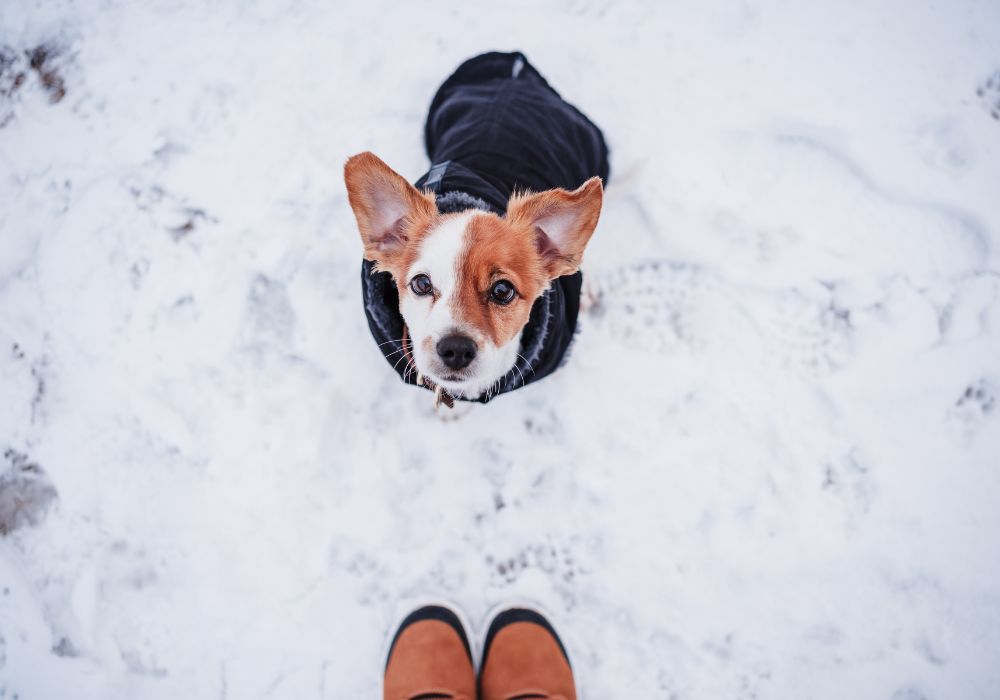
Strategy 2: Adapt Outdoor Activities Safely While outdoor exercise remains important for senior pets, winter conditions require thoughtful adaptations. Shorten walks during extreme cold, aiming for multiple brief outings rather than one longer exposure. The American Veterinary Medical Association recommends limiting outdoor time when temperatures drop below 20°F for most senior pets. Consider protective gear like insulated sweaters or coats that cover the back and abdomen (especially important for short-haired breeds or those with low body fat), and properly fitted booties that protect sensitive paws from ice, salt, and chemicals. Always use reflective gear or LED accessories during early morning or evening walks, as visibility is reduced during winter months. After outings, thoroughly wipe down your pet's paws, legs, and belly with a warm, damp cloth to remove ice-melting chemicals, salt, and other irritants before they can lick these substances off.
Strategy 3: Enhance Nutrition and Hydration Winter months often require adjustments to senior pets' diets. Consult with your veterinarian about potentially increasing calories slightly during cold weather, as older pets may burn more energy staying warm. However, balance this carefully against reduced activity levels to prevent unhealthy weight gain. Consider adding omega-3 fatty acid supplements, which can help maintain skin moisture and may reduce inflammation associated with arthritis. Ensure consistent hydration by providing fresh water in multiple locations, as senior pets may drink less during winter, increasing risk of urinary and kidney issues. Some older pets prefer slightly warmed water, especially those with dental sensitivity. Monitor food and water intake carefully, as changes can indicate developing health problems that require veterinary attention.
Strategy 4: Implement Special Winter Health Precautions Schedule a pre-winter veterinary checkup to address any existing health conditions before cold weather arrives. This is particularly important for pets with arthritis, heart disease, diabetes, or kidney issues, as these conditions can worsen during winter months. Discuss medication adjustments that might be beneficial during cold weather, such as anti-inflammatory treatments for arthritis pain that worsens in cold conditions. Create an emergency winter care kit including your pet's medications, medical records, and emergency veterinary contacts. Develop a backup care plan for your senior pet in case of power outages or weather emergencies, including identifying pet-friendly warming centers or emergency boarding facilities that can accommodate elderly animals with special needs. Consider using pet monitoring devices that track location and activity levels, which can be especially valuable for senior pets who might become disoriented in snow or during winter storms.
Resources for Rochester Pet Owners
Rochester offers several resources specifically designed to help senior pet owners navigate winter challenges. The Rochester Animal Services department provides emergency assistance for pet owners during extreme weather events and can connect seniors with volunteer services for snow removal to create safe outdoor elimination areas for pets. The Lollypop Farm Humane Society of Greater Rochester offers a seasonal "Senior for Senior" program providing discounted veterinary care, grooming, and supplies for pets of owners over 60 during winter months.
For medical emergencies, Rochester Veterinary Emergency Services provides 24/7 care with staff specifically trained in geriatric pet medicine. They offer transportation assistance during inclement weather for seniors unable to safely travel with their pets. Additionally, several local pet supply stores including Pet Supplies Plus and Petco offer delivery services for heavy items like food and litter, eliminating the need for seniors to navigate icy conditions with bulky purchases.
The Rochester Pet Food Pantry provides temporary assistance for senior pet owners experiencing financial hardship during high-utility winter months, ensuring elderly pets maintain proper nutrition. For seniors who need temporary assistance with pet care during illness or weather emergencies, Lollypop Farm's "Pet Peace of Mind" program provides volunteer pet care services including dog walking, transportation to veterinary appointments, and temporary fostering.
Before winter arrives, consider contacting these organizations to understand eligibility requirements and services available. Many require pre-registration or have limited capacity during peak winter months. Your veterinarian can also provide referrals to additional resources specific to your pet's health needs and your neighborhood location within Rochester.
How Comfort Keepers Rochester Can Help
At Comfort Keepers Rochester, we understand that the bond between seniors and their pets is incredibly meaningful and provides significant health benefits. Research shows that pet ownership can lower blood pressure, reduce stress, decrease loneliness, and increase physical activity—all crucial factors in maintaining senior wellness. This is why our companion care services are designed to support not just our senior clients but also their beloved animal companions, especially during challenging winter months.
Our Interactive Caregiving™ approach recognizes pets as important family members who contribute to our clients' emotional well-being. During winter, our caregivers can assist with numerous pet-related tasks that might become difficult for seniors to manage independently. This includes helping with daily pet care routines like feeding, providing fresh water, administering medications, and cleaning litter boxes or other pet areas—tasks that become more challenging when mobility is limited by winter conditions.
Our caregivers can also assist with managing indoor exercise and enrichment for senior pets during periods when outdoor activity is limited by weather. Simple activities like gentle play sessions, basic grooming, or interactive toys can help maintain an elderly pet's physical and cognitive health during winter confinement. For dogs that need outdoor time regardless of weather, our caregivers can handle brief walking routines with appropriate safety precautions, ensuring both the senior pet and our client remain safe.
Transportation assistance is another valuable service we provide that benefits both seniors and their pets. Our caregivers can transport seniors and their companion animals to veterinary appointments, grooming sessions, or pet supply stores, eliminating the need to navigate icy parking lots or snowy walkways. We can also assist with ordering and picking up pet supplies, medications, and specialty foods, ensuring seniors never run out of essential items during winter storms or cold snaps.
For seniors who may worry about emergency situations, having a Comfort Keepers caregiver regularly visiting provides peace of mind that both they and their pets will have assistance if needed. Our caregivers are trained to recognize signs of distress in both seniors and their pets, and can help implement emergency plans if weather conditions become severe or if either the senior or their pet experiences a health crisis.
Beyond physical care, our caregivers provide companionship that includes acknowledging and supporting the special relationship between seniors and their pets. Many of our caregivers are pet lovers themselves who understand the importance of these animal relationships and can engage in conversations and activities that include the pet as a valued family member.
At Comfort Keepers Rochester, we believe that supporting the entire household—including beloved pets—is essential to our mission of elevating the human spirit and enabling seniors to maintain independence at home. By extending our compassionate care to include senior pets during challenging winter months, we help preserve the special bond between seniors and their animal companions while ensuring both remain safe, comfortable, and healthy throughout Rochester's winter season.
For more information on how our companion care services can support you and your senior pet this winter, contact Comfort Keepers Rochester today. Together, we can create a customized care plan that addresses the unique needs of both you and your aging animal companion.