

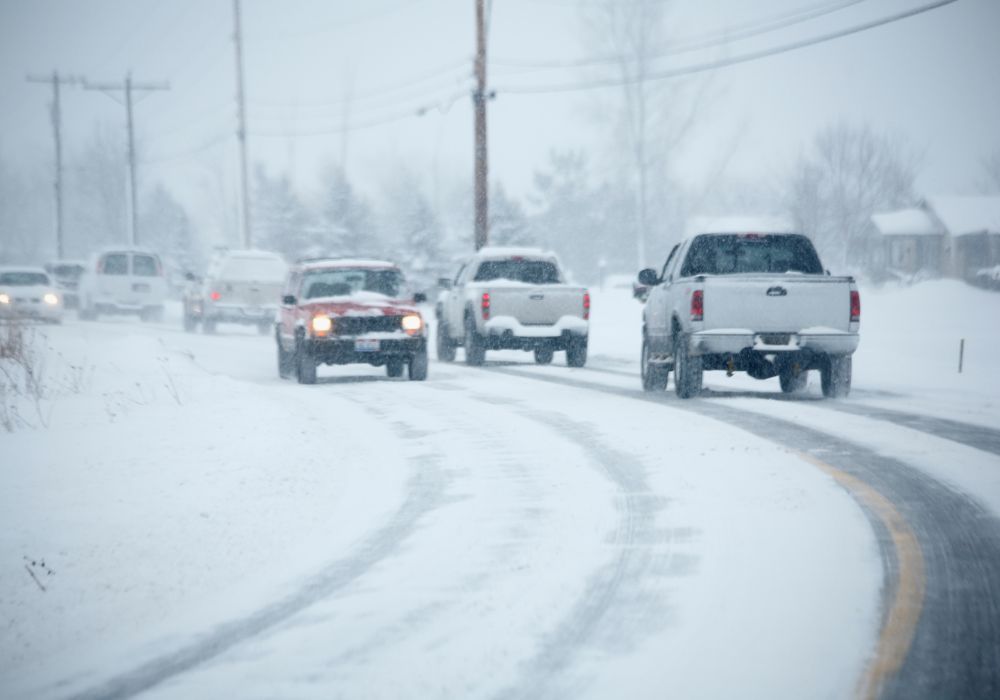
Senior-Safe Driving in Rochester Winter Conditions: When to Stop Driving
Key Takeaways
Rochester winters create uniquely challenging driving conditions for seniors, with specific safety concerns including reduced visibility, slippery roads, and longer reaction time needs.
Recognizing physical and cognitive warning signs—such as vision problems, decreased reaction time, and confusion at intersections—can help determine when it's time to limit or stop winter driving.
Alternative transportation options in Rochester provide seniors with independence without the risks of winter driving, including RTS buses, medical transportation services, and ride-sharing programs.
Having proactive conversations about driving cessation before a crisis occurs helps preserve dignity and allows seniors to participate in planning their transportation future.
Comfort Keepers Rochester offers specialized transportation assistance and companion care to help seniors maintain their independence when winter driving becomes unsafe.
Is It Safe for Seniors to Drive During Rochester Winters?
Rochester winters present unique challenges for drivers of all ages, but seniors face particular risks due to age-related changes in vision, reflexes, and physical abilities. While many older adults can continue driving safely with proper precautions, the combination of winter conditions and age-related factors may indicate it's time to consider limiting or stopping driving during the harsh winter months.
Understanding Winter Driving Challenges for Rochester Seniors
Rochester, New York, experiences some of the most challenging winter driving conditions in the country. With an average annual snowfall exceeding 100 inches and frequent lake-effect snow events from Lake Ontario, even experienced drivers find themselves testing their skills from November through March. For seniors, these conditions present a complex set of challenges that go beyond the typical age-related driving concerns.
Winter driving in Rochester requires quick reflexes, sharp vision, and confident decision-making—all abilities that may naturally decline with age. The combination of slippery roads, reduced visibility, and earlier nightfall creates a particularly hazardous environment for older drivers. According to data from the National Highway Traffic Safety Administration, fatal crash rates increase noticeably for drivers age 70 and above, with winter conditions amplifying these risks.
The physical demands of winter driving also pose challenges. Seniors may struggle with tasks like scraping ice from windshields, clearing snow from vehicles, or the increased effort required to control a car on slippery surfaces. Cold temperatures can exacerbate joint pain and reduce dexterity, making vehicle operation more difficult.
Cognitive demands increase significantly during winter driving as well. Navigating through snowstorms requires processing multiple variables simultaneously—road conditions, other drivers' behaviors, reduced visibility, and alternative route planning if roads become impassable. This increased cognitive load can be particularly taxing for seniors who may already be experiencing some degree of cognitive changes.
Rochester's winter infrastructure presents additional challenges. Snow banks at intersections reduce visibility, narrowed lanes from snow accumulation require more precise driving, and changing traffic patterns due to snow emergency routes demand adaptability. For seniors who have driven the same routes for decades, these seasonal changes can be disorienting and stressful.
The medical impact of winter driving stress shouldn't be underestimated either. Research published by the American Heart Association indicates that the stress of driving in challenging conditions can elevate blood pressure and increase heart rate—potentially dangerous for seniors with existing cardiovascular conditions.
Understanding these challenges doesn't mean seniors must immediately surrender their keys when the first snowflake falls. Rather, it highlights the importance of honest assessment, preparation, and knowing when the risks might outweigh the benefits. Many seniors can continue driving safely during milder winter conditions by limiting trips to daylight hours, avoiding rush hour, planning routes carefully, and staying off the roads during active snowstorms.
Warning Signs It May Be Time to Limit or Stop Winter Driving
- Vision-Related Warning Signs
Winter driving demands excellent vision, particularly for depth perception and peripheral awareness. Seniors may notice increasing difficulty seeing clearly in low-contrast conditions like snow and fog. Night vision typically deteriorates with age, making the early winter darkness particularly challenging. According to the American Optometric Association, by age 60, eyes need three times more light to see as well as they did at age 20. If you're experiencing increased glare sensitivity from oncoming headlights, difficulty distinguishing curbs from snow banks, or trouble reading street signs until you're very close, these are significant warning signs. Cataracts, macular degeneration, and other age-related vision conditions can be particularly problematic during winter driving conditions and should prompt a conversation with both healthcare providers and family about driving limitations.
- Physical Mobility and Reaction Time Concerns
Winter driving often requires quick reactions and precise movements. If you notice increased stiffness in your neck that limits your ability to check blind spots, difficulty turning the steering wheel quickly for emergency maneuvers, or reduced leg strength that affects braking control, these physical changes significantly impact winter driving safety. Studies show that reaction time naturally slows with age, and on icy roads, even a half-second delay can mean the difference between avoiding and experiencing a collision. Pay attention to whether you're feeling increasingly fatigued after short drives or if you're experiencing pain that distracts from driving tasks. Winter conditions amplify the importance of physical capabilities, as recovering from a skid or navigating through heavy snow requires strength, coordination, and quick reflexes.
- Cognitive Processing and Decision-Making Issues
Winter driving requires complex decision-making under pressure. Warning signs include feeling overwhelmed at busy intersections, difficulty merging with traffic on snowy roads, or becoming confused about familiar routes when snow changes visual landmarks. If you're experiencing increased anxiety about driving decisions or find yourself hesitating longer than usual before making turns, these cognitive processing changes matter significantly in winter conditions. According to research from the National Institute on Aging, the ability to divide attention between multiple tasks—a crucial skill for winter driving—often declines with age. If family members have commented that your driving decisions seem delayed or you've had recent "close calls" that left you shaken, these are important indicators that winter driving may be becoming too cognitively demanding.
- Pattern of Winter-Specific Incidents
Perhaps the clearest warning sign is a pattern of winter-specific driving incidents. These might include minor fender benders in parking lots, sliding through intersections, getting stuck in snow more frequently than in previous years, or experiencing near-misses during winter conditions. Even small incidents like hitting curbs hidden by snow or difficulty maintaining lane position during light snowfall can indicate that winter driving has become unsafe. The Mayo Clinic suggests that an increase in traffic tickets, warnings, or even dents and scrapes on your vehicle should be taken seriously as warning signs. If you notice yourself choosing increasingly complicated routes to avoid challenging winter driving situations (like hills or busy intersections), this avoidance behavior often indicates an internal recognition that certain driving tasks have become too difficult.
Strategies for Safer Winter Driving or Transitioning Away from Driving
Strategy 1: Implement Seasonal Driving Restrictions Rather than making an all-or-nothing decision about driving, consider implementing seasonal restrictions tailored to your specific capabilities. Many Rochester seniors successfully adopt a "winter driving diet" that preserves independence while reducing risk. This might include only driving during daylight hours when visibility is best (typically between 10 AM and 3 PM), avoiding driving during active snowfall, and planning trips for days with clear weather forecasts. Create a personal "no-drive" policy for specific conditions—for instance, when temperatures drop below 20°F (when road salt becomes less effective), during freezing rain, or when snow accumulation exceeds 2 inches. Work with family members to develop this personalized plan before winter begins, so everyone understands the parameters. The CDC's older adult driving resources recommend documenting these seasonal restrictions and sharing them with family members to ensure accountability and support.
Strategy 2: Vehicle Modifications and Winter Preparation If you're continuing to drive during milder winter conditions, proper vehicle preparation becomes crucial. Consider investing in adaptive equipment that compensates for age-related changes: larger mirrors to improve visibility despite neck stiffness, steering wheel covers for better grip with arthritic hands, or pedal extenders to improve braking control. Ensure your vehicle receives a comprehensive winter preparation service, including checking battery strength (cold weather reduces battery efficiency), installing winter wiper blades, and maintaining proper tire pressure. Many Rochester auto shops offer senior discounts for winter preparation packages. The American Automobile Association recommends carrying a winter emergency kit with items seniors can easily use: a cell phone with emergency contacts pre-programmed, reflective emergency blankets that require minimal strength to unfold, slip-on ice cleats for shoes, and a small shovel with an ergonomic handle. Consider upgrading to a vehicle with advanced safety features like electronic stability control, automatic emergency braking, and all-wheel drive if you plan to continue winter driving.
Strategy 3: Explore Alternative Transportation Options Rochester offers numerous transportation alternatives that can help seniors maintain independence without the risks of winter driving. The Regional Transit Service (RTS) provides fixed-route bus service throughout Monroe County with reduced fares for seniors and accessible buses equipped for mobility devices. Medical transportation services like Medical Motors Service specialize in transporting seniors to healthcare appointments regardless of weather conditions. Many Rochester senior communities and organizations offer volunteer driver programs specifically designed for winter transportation. Ride-sharing services like Lyft and Uber have become increasingly popular among seniors for occasional trips, and many Rochester seniors establish relationships with specific drivers they trust for regular transportation needs. The AARP recommends creating a transportation budget that reallocates what you would spend on winter car maintenance, insurance, and gas toward these alternative services—many seniors discover they actually save money by using alternative transportation during winter months while eliminating stress and risk.
Strategy 4: Gradual Transition Planning The most successful transitions away from winter driving occur when they're planned gradually rather than prompted by a crisis. Begin by identifying the most challenging winter driving scenarios and eliminating those first—perhaps night driving or trips during active snowfall. Gradually expand the restrictions as you become comfortable with alternatives. Practice using public transportation or ride services during good weather to build confidence before winter arrives. Consider a "transportation buddy" system with friends or neighbors where you share rides during winter months. Create a weekly schedule that consolidates errands to minimize transportation needs. The National Institute on Aging recommends practicing the phrase "I don't drive during winter conditions" rather than more permanent-sounding statements, which can help preserve dignity during the transition period. Document how much more relaxed you feel when not driving in stressful conditions—many seniors report significant quality-of-life improvements once they're freed from winter driving anxiety.
Having the Conversation: Family Approaches to Winter Driving Decisions
When concerns about a senior's winter driving safety arise, how the topic is approached can significantly impact the outcome. Conversations about driving limitations often trigger strong emotional responses because driving represents independence, identity, and self-sufficiency. Here are effective approaches for families navigating this sensitive topic:
Start with observation rather than judgment. Share specific examples of concerning driving behaviors you've noticed during winter conditions rather than making sweeping statements like "You're not a safe driver anymore." For example, "I noticed you seemed really tense when we drove home during that light snowfall last week" opens conversation more effectively than "You can't handle snow anymore."
Time these conversations appropriately. Avoid discussing driving limitations right after a scary incident when emotions are high, or during holiday gatherings when the senior might feel ambushed. Instead, choose a private moment during fair weather, months before winter begins, so t "Did you know RTS goes right past that new restaurant you wanted to try?" or "My friend's mother loves her driving service because she never has to worry about finding parking downtown anymore."
Respect the senior's need to maintain decision-making control. When possible, position yourself as a resource rather than an authority. Statements like "I've gathered some information about winter transportation options when you're ready to look at them" preserve dignity better than "We've decided you shouldn't drive this winter."
Transportation Resources for Rochester Seniors
For Rochester seniors transitioning away from winter driving, numerous local resources provide safe, reliable transportation alternatives:
Public Transportation Options The Regional Transit Service (RTS) offers comprehensive bus service throughout Monroe County with reduced fares for seniors 65 and older. All RTS buses are equipped with accessibility features and operate even during most winter weather conditions. RTS Access provides paratransit service for qualified individuals with disabilities who cannot use regular bus service. During winter months, RTS prioritizes snow clearing at bus stops frequently used by seniors.
Medical Transportation Services Medical Motors Service specializes in non-emergency medical transportation for seniors, operating specially equipped vehicles with trained drivers experienced in winter conditions. Many Rochester healthcare providers partner with transportation services to ensure patients can reach appointments regardless of weather. Medicare Advantage plans often include transportation benefits for medical appointments—check with your insurance provider about coverage options.
Community-Based Transportation Programs Lifespan of Greater Rochester coordinates volunteer driver programs specifically designed for seniors who need transportation assistance. Faith communities throughout Rochester often organize transportation ministries where volunteers provide rides to senior members during winter months. The Rochester Senior Center maintains a transportation resource directory with contact information for various services.
Private Transportation Options Several Rochester-based companies specialize in senior transportation services with drivers trained in assisting older adults and handling mobility equipment. Ride-sharing services like Lyft and Uber have become increasingly popular among seniors, with options to schedule rides in advance for regular appointments. Some local taxi companies offer senior discount programs during winter months.
Financial Assistance for Transportation Monroe County Office for the Aging can provide information about financial assistance programs for senior transportation needs. Some Rochester-area senior living communities include transportation services as part of their monthly fees. The AARP suggests exploring whether long-term care insurance policies include transportation benefits, as some newer policies cover these services.
How Comfort Keepers Rochester Can Help
At Comfort Keepers Rochester, we understand that the decision to limit or stop winter driving represents a significant life transition for seniors. Our services are specifically designed to help older adults maintain their independence, dignity, and quality of life during this adjustment period and beyond.
Our transportation assistance services directly address the challenges of winter mobility for Rochester seniors. Unlike generic transportation options, our caregivers provide door-through-door service, ensuring clients safely navigate potentially icy walkways, manage winter clothing and accessories, and securely enter and exit vehicles. This comprehensive approach eliminates the stress of winter transportation logistics that often concern seniors who are considering giving up driving.
What truly distinguishes our transportation services is our Interactive Caregiving™ philosophy. Rather than simply providing rides, our caregivers engage clients in meaningful conversation, companionship, and assistance throughout the entire outing. This means a trip to the grocery store includes help with shopping, carrying bags through snowy parking lots, and putting items away at home—a level of support that public transportation or ride-sharing services simply cannot provide.
Our caregivers are specially trained to understand the emotional aspects of driving cessation. They recognize that surrendering winter driving privileges can trigger feelings of loss and dependency. Through compassionate conversation and encouragement, they help clients focus on the freedoms gained rather than the limitations imposed by this transition. Many clients report that having a trusted caregiver accompany them on outings actually expands their winter activities compared to when they were limiting themselves due to driving anxiety.
Comfort Keepers Rochester offers flexible scheduling options that accommodate the unpredictable nature of Rochester winters. Whether a client needs regular weekly transportation to standing appointments or last-minute assistance when a snowstorm makes driving unsafe, our services adapt to changing needs and conditions. This flexibility provides peace of mind for both seniors and their families, knowing reliable transportation is available regardless of weather challenges.
Beyond transportation, our caregivers assist with winter-specific challenges that often accompany driving cessation. This includes help with mail retrieval when walkways are icy, grocery shopping during storms when seniors would previously have stayed home, and maintaining social connections despite winter isolation tendencies. Our technology assistance services can help seniors learn to use grocery delivery apps, video calling platforms, and other digital tools that reduce the need for physical transportation during harsh winter conditions.
For families navigating the sensitive conversations around winter driving limitations, our care coordinators can provide guidance, resources, and support. We often serve as neutral third parties who can help assess transportation needs objectively and suggest appropriate service levels without the emotional dynamics that sometimes complicate family discussions about driving.
Comfort Keepers Rochester's approach recognizes that transportation is about more than simply moving from point A to point B—it's about maintaining connections to community, preserving routines, and supporting overall well-being. By providing reliable, compassionate transportation assistance, we help transform what could be perceived as a loss of independence into an opportunity for enhanced safety, reduced stress, and continued engagement with all that Rochester has to offer, regardless of the season.
Our caregivers become trusted companions who not only transport clients safely through winter conditions but also bring warmth, conversation, and support into what can otherwise be a isolating season. Through this comprehensive approach to winter mobility challenges, Comfort Keepers Rochester helps seniors thrive during Rochester winters, whether they're behind the wheel or choosing safer alternatives.
To learn more about how our transportation assistance and companion care services can help you or your loved one navigate Rochester winter conditions safely, contact Comfort Keepers Rochester for a free consultation. Together, we can develop a personalized plan that preserves independence, ensures safety, and enhances quality of life throughout every season.