
10 Tips and Strategies for Dementia Caregivers
Dementia caregiving can be challenging. Learn how caregivers can find additional strength and support with these ten tips and strategies.
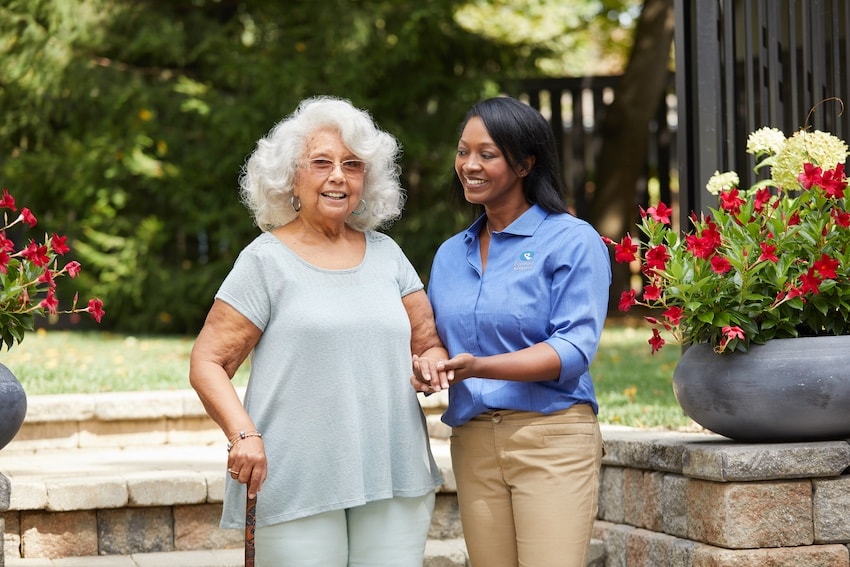
Caring for a loved one with dementia is often rewarding and challenging all at once. Dementia and Alzheimer’s Disease gradually change behavior, lead to memory loss, and can mean your loved ones need a little extra help with daily tasks. While it may feel like your family dynamic is shifting, you can still preserve the heart of your relationship as you care for your loved one. You aren’t alone, either—16 million adults in the US identify as a caregiver, while an estimated 7 million adults live with Alzheimer’s Disease.
The right strategies for dementia caregivers can help you navigate this time. With helpful resources, you can feel confident, and your loved one can feel more connected and independent as you assist them in their day-to-day. Whether your caregiving journey is just beginning or you’re already on your way, these 10 tips for dementia strategies will help you find balance, calm, and resilience.
With a mix of non-medical strategies, self-care, and knowledge of when further support is needed, you can prevent caregiver burnout and make sure the people in your life with dementia receive empathetic support.
1. Set a daily routine
Dementia can make it harder for people to process changes and make everyday moments feel confusing. Having a solid routine in place can bring a feeling of certainty and familiarity when your loved one needs it most.
A stable routine might look like having important activities happen at the same time every day, like:
Waking up and going to sleep
Having breakfast, lunch, and dinner
Self-care activities like getting dressed, brushing teeth and hair, washing, etc
Include reminders like post-it notes, written schedules, pill organizers, and phone alarms to help you and your loved one stay on track. It can also ease some of the mental load. When reminders are in place, you don’t have to keep track of every detail, giving you more space to simply enjoy time with your loved one.
2. Help them maintain independence
People with dementia can often experience frustration, especially as they need more help with everyday tasks and self-care. In order to reduce this, it’s important to support them to do things for themselves, rather than try to do everything for them.
You can support them and give them the space they need with small actions, like helping them maintain a notebook for their appointments and daily to-do lists. Write down items together and review at the end of each day to make sure you’re both on the same page while still letting the person take charge of their own time.
It’s important to meet your loved one where they are and provide support if they start to feel anxious or agitated. While it’s natural for caregivers to step in more often as things progress, supporting a loved one to be independent can make your time with them more meaningful and joyful. There are a few ways to do this:
Try to allow the person to do as many tasks as possible independently, especially getting dressed or washing themselves.
Work with them to find clothes that suit their personal style and are also easy for them to change into on their own, like pants with elastic waistbands instead of buttons, and shoes with zippers instead of laces.
Include activities the person can enjoy on their own in their daily routine, like baking, gardening, or crafts like painting and knitting.
Finding these moments of independence can help people living with dementia feel respected and capable, and maintain their sense of adulthood.
3. Communicate clearly
While the main symptoms of dementia are memory loss and impaired judgement, communication styles can also change. People may find themselves speaking less often, using only familiar words, or having trouble organizing words into clear sentences.
Conversations can start to take more time and patience from both the person and the caregiver, but the right communication strategies can still leave you feeling connected.
Some ways to keep communication clear and helpful:
If you’re helping with a personal task like bathing or getting dressed, walk them through the steps. Use simple sentences and offer one instruction at a time.
Allow extra time for your loved one to respond, and avoid rushing or completing their sentences for them.
Show emotional understanding, especially when difficult emotions like anger, fear, and frustration come up in conversations. It’s important to acknowledge the other person’s feelings without correcting or dismissing their experience. Comforting statements like “I understand you feel upset” can validate feelings in difficult moments.
Use visual cues. For example, if you’re helping with choosing a meal at a restaurant, you can point at pictures of the food on the menu to help them decide their answer.
When negative emotions appear, it can be helpful to redirect the person’s attention. Familiar objects like photo albums, books, and music can help to redirect their attention to something they love.
Even the best caregivers will experience frustration and disagreements. Irrational logic or repetitive arguments can be frustrating for all involved, but it’s best to offer reassurance and ease tension when you can.
4. Keep things familiar
For people with dementia, familiar surroundings provide comfort and safety and reduce confusion. Keeping important areas like the bedroom, bathroom, and kitchen as consistent as possible will help the person feel more grounded in their daily life and help them maintain a sense of independence.
Caregivers can help by making sure beloved objects and familiar photographs are set up around the house, where they can spark positive memories and encourage the person to share the stories behind each photo or souvenir.
Remember that familiarity isn’t only in the physical spaces. Playing favorite songs or albums, watching familiar TV shows and movies, and other routines can help your loved one enjoy recognizable sights and sounds without feeling overwhelmed.
5. Add exercise to their routine
Eating healthily and participating in gentle exercise is a great way to support emotional wellbeing for yourself and the person with dementia, as well as promoting general physical health.
Build short walks together into your daily routine, and they’ll soon become a part of the day you can both look forward to. Find your favorite route through the neighborhood or visit a nearby park to enjoy some fresh air and have a friendly conversation as you go. These moments can offer a great sense of self-care for both of you, as well as help to relieve stress.
As energy levels and physical abilities change, amend your exercise routine to ensure things stay enjoyable and feel within reach for your loved one. Ideally, these moments should help build their confidence and reduce frustration, especially when approached from a place of patience and empathy. If walks start to feel like too much, switch to short bursts of activity within the home, like gardening, dancing, chores, or cooking. Doing the activity together can help to keep things fun and engaging.
6. Do your research
While learning about a dementia prognosis can be daunting at first, taking the time to understand how the condition typically progresses can be a source of support for caregivers. Knowledge can help you take an informed approach to caregiving with confidence. The right learning resources can help you to feel more supported and empowered to make the best decisions grounded in research.
By doing your research, you’ll be better-equipped to adjust routines, plan ahead, and have ‘the’ conversation with your loved ones. You’ll be able to understand, empathize, and provide support on a deeper level that empowers your loved one, too.
7. Set up their home for safety
Dementia can change a person’s balance, spatial awareness, and physical abilities, increasing the risk of falls or accidents. By taking the steps to create a safer home environment, caregivers can protect their loved ones while easing their own worries.
Small, thoughtful adjustments like installing handrails in hallways, stairways, and bathrooms can be a good way to reduce fall risks. Likewise, non-slip mats and a sturdy shower chair can go a long way in helping people maintain independence and dignity when they’re bathing themselves. Remove rugs and loose wires from the home, as these can also be tripping hazards, and store potentially hazardous objects like cleaning liquids and matches out of reach.
Entrances, doorways, halls, and bathrooms should also be adequately lit to reduce confusion and help your loved one navigate, even in familiar spaces
8. Plan for the future
By having thoughtful conversations early, while your loved one can still share their preferences, caregivers can create a care plan with confidence. The person with dementia can also feel assured that their future decisions will take their personal desires into account.
When approaching a conversation about financial, legal, or advanced healthcare decisions, it’s important to keep patience and respect at the heart. Think of the conversation as a way to preserve the person’s sense of control and make sure their care plan honors their wishes.
Remember: talking about the future doesn’t mean giving up hope, but instead preparing for the future from a positive, compassionate perspective that empowers you to become an advocate for your loved one. By sharing these decisions, you can move forward knowing your decisions will honor the wishes of your loved one.
9. Take time out for self-care
The best caregivers can still fall victim to caregiver burnout from time to time. It’s important to remember that self-care is the best way to sustain the energy, compassion, and support that caregiving for a loved one requires.
One way to care for yourself is to allow others to help. Reaching out to friends and trusted family members can help you balance daily caregiving responsibilities, work, family time, and time for yourself. In-home care companies can also offer respite care if you need professional support.
Another way to feel supported is to join a support group tailored to caregivers. By sharing experiences and listening to other people’s stories, you’ll feel less isolated and more reassured.
10. Know the signs it’s time for Dementia care
As dementia naturally progresses, caregivers do their best to adapt, but there may come a point when additional support is needed to maintain comfort, safety, and overall quality of life. Common signs it’s time to consider professional dementia care include:
Challenges with personal hygiene, dressing, driving, remembering medications, and cooking for themselves, also known as activities of daily living (ADLs)
Increasing safety concerns, like falls, wandering, and difficulty navigating within the home
Changes in mood, like confusion, agitation, or frustration, or anxiety
While these changes can be daunting, seeking professional care doesn’t mean giving up independence or your role as a caregiver. You’ll still be there every step of the way, and the right level of professional support can help to ensure you and your loved one can reclaim daily joyful moments as you adapt to new care needs.
Alzheimer’s and Dementia Care at Comfort Keepers®
At Comfort Keepers®, our caregivers are trained in caring for those with Alzheimer’s and dementia, uplifting seniors with wellness goals that consider their physical, mental, and emotional wellbeing.
Our Interactive Caregiving™ approach and custom in-home care plans mean we work with seniors and their families to create joyful moments, supporting you through compassion, expert care, and genuine connection. To learn more, contact your local Comfort Keepers team.
Sign up to receive helpful info right to your inbox.
We understand choosing an in-home care provider can be a difficult decision, and we want to make your journey as easy as possible. We're here to support you by providing helpful senior care tips and information on in-home care and senior health and wellbeing topics.
Start a Job with a Purpose
Uplifting training and support for you every step of the way.
Apply to be a caregiverEditor Picks
Check out some of our most popular resources on Alzheimer's and Dementia care.