

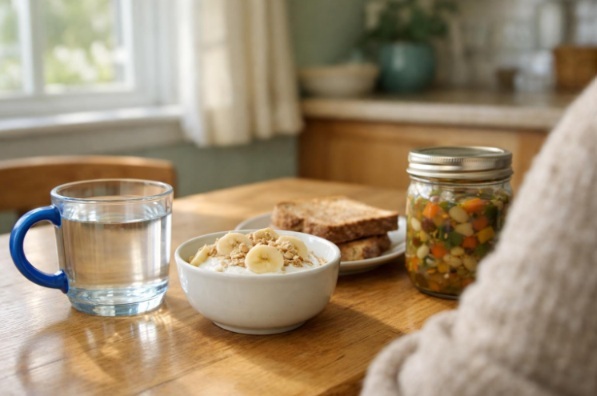
Healthy eating becomes harder when the work around a meal becomes harder. home care services Neptune Beach, FL can help families notice when a loved one is skipping drinks, avoiding the kitchen, or relying on whatever takes the least effort.
Hydration and food intake often affect each other. Someone who drinks very little may feel less interested in eating, while a person eating only dry snack foods may be less likely to get fluids through meals. Sudden, significant, or concerning changes in appetite, eating, or drinking should be discussed with a healthcare professional.
When Meals and Drinks Start Taking More Effort Than They Used To
A nearly full refrigerator does not always mean an older adult is eating well. The barrier may be opening containers, standing at the counter, remembering what to make, carrying groceries inside, or simply having no desire to cook for one person.
Look for small changes before they turn into a pattern. Repeatedly untouched cups, expired food, a favorite room or kitchen appliance going unused, and a growing pile of takeout containers can all point to a routine that needs support. Starting with a few practical changes may protect independence better than waiting for meals to become a daily struggle.
Situation 1: They Forget to Drink Until They Feel Unwell
This may apply when your loved one:
- Leaves water, coffee, or other drinks untouched for hours.
- Says they are not thirsty, then drinks a large amount all at once.
- Has trouble remembering whether they had anything to drink that day.
- Avoids getting up for beverages because walking to the kitchen or bathroom feels difficult.
- Prefers a drink but does not keep it available or prepared.
Make fluids easier to see and easier to reach. Keep a preferred drink in a familiar cup, refresh it regularly, and place it where the person spends time. Pair drinks with established moments, such as breakfast, medication reminders when appropriate, television programs, or an afternoon phone call.
Food can help add fluids to the day as well. Soups, yogurt, fruit, oatmeal, smoothies, and vegetables with high water content can fit into balanced meals. The best choice depends on the person’s tastes and any dietary guidance they have been given.
Situation 2: Cooking a Full Meal Feels Tiring or Unsafe
Cooking may be too demanding if standing causes fatigue, handling hot pans feels unsteady, or a loved one loses track of food on the stove. A person may still want familiar meals but no longer manage every step safely.
- Simplify the plate: Combine one protein, one produce item, and one easy grain or starch. A rotisserie chicken portion, microwaved vegetables, and a baked potato can be more manageable than a multi-pan recipe.
- Prepare in batches: Cook or portion a few items when energy is better, then refrigerate or freeze portions for later use.
- Use seated prep when appropriate: Washing produce, assembling sandwiches, or portioning snacks may be easier at a stable table than at a counter.
- Choose ready-to-assemble options: Yogurt with fruit and oats, a bean-and-vegetable soup with whole-grain toast, or tuna with crackers and sliced tomatoes can provide a complete small meal.
- Keep food safety in view: Perishable foods should not sit out for long periods, and leftovers need clear labels so no one has to guess how old they are.
If stove use, sharp tools, or lifting cookware has become unsafe, it is better to change the routine than insist on doing it the old way.
Situation 3: Appetite Is Smaller, but Nutrition Still Matters
Large plates can feel discouraging when appetite is low. Smaller meals and snack-style options throughout the day are often more approachable, especially when they include protein, produce, whole grains, and something to drink.
Useful choices may include scrambled eggs with toast and berries, yogurt with banana and oats, half a turkey sandwich with vegetable soup, or cheese and whole-grain crackers with grapes. A smoothie made with ingredients that fit the person’s dietary needs can also be easier to manage than a full meal.
Focus on foods your loved one recognizes and enjoys. Forcing a new eating plan rarely works when the real issue is fatigue, loneliness, chewing difficulty, or the effort of preparation. Any food restrictions or special diet instructions should guide what is offered.
Situation 4: Grocery Shopping and Meal Planning Are Becoming Barriers
Sometimes the person wants to eat but cannot keep the kitchen stocked or turn groceries into meals. Missed shopping trips, forgotten lists, duplicate purchases, and empty staples are practical problems that can be fixed with a simpler system.
- Plan a short weekly menu. Choose a few familiar breakfasts, lunches, dinners, and snacks instead of trying to plan every meal in detail.
- Build the list by meal. Write the ingredients beneath each planned meal, which makes it easier to see what is missing.
- Check the kitchen first. Look in the refrigerator, freezer, pantry, and freezer door before shopping. This reduces waste and prevents buying items that will not be used.
- Make meals easy to find. Put frequently used foods at eye level and group breakfast, snack, and lunch items together.
- Ask for practical help early. Errands, grocery put-away, meal preparation, and company during meals can remove barriers without taking over the person’s choices.
A caregiver’s presence at lunch can matter as much as the food itself. Conversation can slow the meal down, encourage a few more bites or sips, and make eating feel like part of the day rather than another task to get through.
How Home Care Services in Neptune Beach, FL Can Support Mealtime Routines
Non-medical home care can support the steps surrounding a meal, including companionship, light meal preparation, grocery errands or transportation where appropriate, kitchen organization, and encouragement with established routines. The goal is not to force food or replace medical guidance. It is to make ordinary eating and drinking more manageable, familiar, and safe.
Comfort Keepers Home Care uses an Interactive Caregiving approach that can include engaging older adults in the parts of meal preparation they can still do comfortably, such as choosing ingredients, washing produce, or setting the table. That involvement can help preserve routine and dignity while another person handles the more difficult tasks.
When needs extend beyond a few meals or your loved one requires more continuous support, review options such as 24 hour home care ponte vedra beach fl senior support. For families considering home care services Neptune Beach, FL, Comfort Keepers Home Care can discuss personalized non-medical support for safer, more consistent mealtime routines. Call (904) 337-6039 to start the conversation.







