

Key Takeaways
- Grooming and dressing changes often start slowly, long before a senior asks for help.
- Early support can protect familiar routines and reduce avoidable frustration or fall risk.
- Hands-on care should encourage the senior to do what they can, not take over unnecessarily.
- Sudden changes in function, hygiene, skin condition, or confusion deserve prompt professional guidance.
- A thoughtful care plan can make personal assistance feel respectful rather than intrusive.
Grooming and Dressing Are More Than Daily Tasks
Getting dressed, combing hair, shaving, choosing jewelry, or putting on a favorite shirt can be closely tied to identity and confidence. For many older adults, these routines also create structure for the day and help them feel ready to see family, attend an appointment, or simply enjoy time at home.
Families looking into home care services Fleming Island, FL often notice that grooming and dressing needs do not change all at once. A parent may first stop wearing button-front clothing, skip a shower after a tiring day, or wear the same outfit several days in a row because changing feels difficult.
Those choices should not automatically be treated as a problem. The important question is whether the change is truly a preference or whether pain, unsteadiness, fatigue, reduced hand strength, memory changes, or fear of falling is getting in the way. Acting early gives a senior more room to remain involved in the routine they value.
Early Signs: When a Little Help May Protect a Familiar Routine
Small changes are often easiest to address because the senior may need only limited, well-timed support.
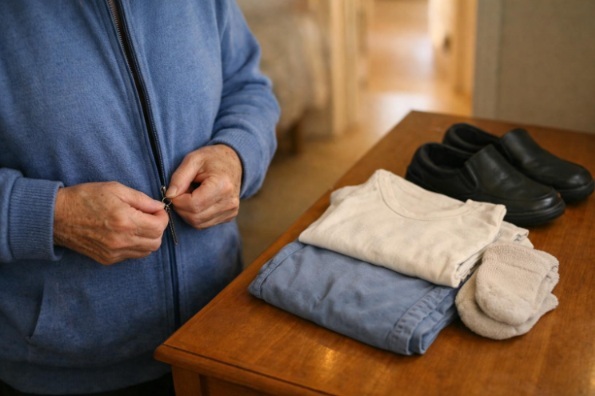
- Fasteners Have Become Frustrating: Buttons, snaps, bras, zippers, shoelaces, belts, and compression garments can be hard to manage when fingers are stiff, weak, shaky, or less coordinated.
- The Morning Routine Takes Much Longer: Taking extra time is not always concerning. It may be time for support, however, when a senior is exhausted before breakfast or starts avoiding getting dressed altogether.
- Grooming Steps Are Being Missed: Unwashed hair, neglected oral care, untrimmed nails, or clothing with frequent food stains may signal that parts of the routine have become difficult to complete.
- Clothing Choices Are Narrowing: Wearing only loose pull-on items or avoiding shoes with laces may be a practical adjustment. It is worth asking whether the person is avoiding certain clothing because bending, reaching, balancing, or standing feels unsafe.
- Frustration Is Replacing a Usual Routine: Irritability, embarrassment, or refusing help can be a sign that a once-simple task now feels exposing or discouraging.
Approach these observations with respect. Instead of saying, “You can’t manage this anymore,” ask what part of getting ready feels most tiring or bothersome. A specific offer, such as laying out clothing or helping with a difficult zipper, is usually easier to accept than a broad offer to “take care of everything.”
The Middle Stage: When Safety and Consistency Need More Attention
Personal care needs often reach a middle stage when the issue is no longer just convenience. A senior may need steadying help while stepping into pants, reaching toward the floor, transferring on and off a shower seat, or standing at the sink. These are moments when a loss of balance can quickly turn into a fall.
Pain, limited range of motion, vision changes, and weakness can affect dressing in practical ways. A person may struggle to pull a shirt overhead, lift a foot to put on socks, or turn safely in a small bathroom. They may begin avoiding upstairs bedrooms, certain closets, or the bathroom itself because walking there or moving around the space feels harder. Avoiding rooms can be an early sign of mobility decline or fear of falling, and isolation may follow if the problem is left unaddressed.
Memory changes can create a different type of difficulty. A senior might put clothing on in the wrong order, repeat the same outfit without realizing it needs laundering, or become confused by a closet full of choices. Calm cueing, a simplified selection of familiar clothing, and a consistent routine can reduce stress without stripping away choice.
Support may be especially useful after a hospital stay, when normal tasks can feel harder than expected. Families can also review hospital discharge home fleming island fl simple care plan families for guidance on organizing a safer return home.
Urgent Changes: When Families Should Seek Guidance Promptly
Personal care assistance can help with routine challenges, but some changes call for timely guidance from an appropriate health professional.
- A Sudden Drop in Ability: A senior who could dress independently last week but now cannot manage basic steps should be evaluated promptly.
- New Skin Concerns: Persistent redness, open areas, unexplained bruising, rashes, swelling, or skin breakdown should not be handled as a routine grooming issue.
- Falls or Near-Falls While Dressing: Repeatedly losing balance when putting on pants, socks, shoes, or undergarments is a clear safety concern.
- Major Changes in Hygiene: A sharp decline in bathing, toileting hygiene, or changing clothes may reflect a new physical or cognitive challenge that needs attention.
- Confusion About Clothing for the Weather: Wearing heavy layers in intense heat, going outside in unsafe footwear, or being unable to recognize the need for clean clothing may require further assessment.
Do not assume these changes are simply part of getting older. Sudden or significant functional changes deserve medical guidance, while ongoing daily support can help keep routines safer once the cause is being addressed.
What Personal Care Support Can Look Like at Home
Personal care is not one fixed service. The right level of help depends on the senior’s abilities, preferences, home setup, and daily schedule.
- Learn the Person’s Routine: A caregiver should know whether the person prefers to dress before breakfast, shower in the evening, wear certain colors, or use particular products. Familiar habits matter.
- Set Up Clothing and Supplies: Laying out clean clothing, gathering grooming items, and preparing a stable place to sit can remove several barriers before the routine begins.
- Encourage Participation: A senior may still be able to wash their face, brush their teeth, choose an outfit, or put on part of a garment. Assistance should fill the gaps rather than replace what the person can safely do.
- Provide Mobility-Aware Help: Support may include steadying assistance, help with footwear, reaching items safely, or assistance with bathing and toileting routines when needed.
- Protect Privacy and Choice: Modesty, pace, and personal preferences should guide the interaction. Offering two appropriate outfits, explaining each step, and asking permission before helping can make the experience far more comfortable.
Comfort Keepers Home Care uses an Interactive Caregiving approach that centers on involvement, engagement, and daily dignity. For personal care, that means the goal is not simply to finish the task. It is to help the senior remain part of it.
Choosing Support That Respects the Senior’s Preferences
The provider you choose should be prepared to discuss more than a list of tasks. Grooming and dressing involve close personal contact, so the approach matters as much as the schedule.
- Ask About Personal Routines: Explain preferred bathing times, clothing styles, cultural practices, shaving or hair-care habits, and the level of privacy your relative expects.
- Ask How Independence Is Encouraged: A good plan identifies what the senior can do safely and where assistance is truly needed.
- Ask About Communication: Find out how caregivers are expected to handle refusal, embarrassment, confusion, or a change in the person’s normal routine.
- Ask How the Plan Can Change: Needs may increase after an illness, a fall, or a difficult period. The care plan should be reviewed as routines change.
- Ask About Consistency: Familiarity can be especially helpful for seniors with memory concerns or those who are uneasy about accepting personal help.
For families considering home care services Fleming Island, FL, the best time to start is often before daily grooming becomes a crisis. A small amount of help may preserve confidence, prevent risky workarounds, and give family members clearer information about changing needs. To discuss a personalized approach to grooming, dressing, and daily personal care, Comfort Keepers Home Care can be reached at (904) 337-6039.







