

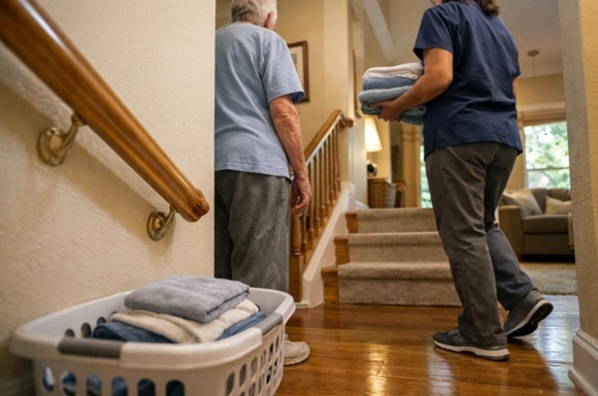
Personalized support works best when it protects an older adult’s familiar way of living while adding help where routines have become difficult or unsafe. For families considering home care services Fleming Island, FL, the right starting point is often a few well-timed visits, not an immediate change to every part of the day.
Key Takeaways
- Personalized care focuses on the tasks that have become harder, while preserving what a senior can still do.
- Support can fit around established morning, evening, meal, and appointment routines.
- Small changes, such as avoiding stairs or skipping meals, can signal a growing need for help.
- Consistent assistance can reduce rushed decisions and make daily safety habits easier to maintain.
- A care plan should change as needs, preferences, and family availability change.
What Does Personalized Care at Home Mean for Daily Routines?
Personalized in-home care is non-medical help built around the person, not a fixed checklist. It may mean assistance with getting dressed before a preferred morning coffee, preparing lunch at the usual time, or staying nearby while a loved one moves through the home.
There are three common approaches, and each fits a different situation:
- Family-only support: This can work when needs are light and relatives can reliably cover key times. The trade-off is that routines may become inconsistent when work, travel, or exhaustion gets in the way.
- Limited scheduled care: A caregiver helps during the most difficult parts of the day, such as bathing, meals, errands, or evening preparation. This often suits seniors who remain independent for long stretches but need steady help with a few specific tasks.
- Broader daily support: More frequent or extended care may fit when personal care, supervision, mobility help, companionship, and household routines all require attention. This level can reduce the burden on one family member trying to manage every need alone.
The goal is not to take over. It is to identify where support helps a loved one continue making choices, participating in familiar activities, and staying safely at home.
Which Everyday Routines Can Benefit Most From Extra Support?
Not every person needs help in every area. A thoughtful plan may include support with only the routines that create stress, missed steps, or safety concerns.
- Personal care: Help with bathing, grooming, dressing, toileting, and continence care when these tasks take longer, feel difficult, or become unsafe to manage alone.
- Meals and household tasks: Meal preparation, light housekeeping, grocery errands, and reminders that help keep the kitchen and living spaces usable.
- Mobility around the home: Assistance with walking, transfers, stairs, and retrieving items that are no longer easy to reach.
- Appointments and errands: Transportation support and accompaniment to doctor’s appointments when driving, waiting rooms, or keeping track of details has become harder.
- Companionship: Conversation, shared activities, and regular social contact for seniors who spend long periods alone.
- Technology assistance: Help using a phone, video call, calendar, or other device to stay connected with family and manage everyday tasks.
- Post-hospital routines: Extra support with meals, personal care, mobility, and a calmer return to regular habits after a discharge. Families can also review this hospital discharge home fleming island fl simple care plan families resource before the transition home.
If a loved one once used the whole house but now avoids the upstairs bedroom, laundry room, or shower, do not dismiss it as a preference. Avoidance can point to fatigue, reduced mobility, or fear of falling, and it can gradually shrink a senior’s world.
How Can Consistent Support Help Reduce Everyday Safety Concerns?
Daily safety often comes down to whether a task is rushed, skipped, or attempted alone when it has become difficult. A familiar caregiver can help create a steadier pace, such as allowing enough time for dressing, keeping walkways clear during light housekeeping, preparing a meal before hunger leads to unsafe shortcuts, or staying close during movement around the home.
Consistency also makes changes easier to notice. When help is provided around the same routines, families and caregivers may recognize that a loved one is no longer eating regular meals, leaving laundry undone, becoming unsteady at a certain time of day, or withdrawing from rooms they once used.
Starting with targeted help can prevent a pattern from becoming more disruptive. Waiting until a fall, missed hygiene, caregiver burnout, or a hospital stay forces a decision often leaves fewer choices and more pressure on everyone involved.
When Is It Time to Consider Home Care Services in Fleming Island, FL?
A senior does not need to be fully dependent before support makes sense. Look for patterns, not a single difficult day.
- Missed meals, unopened mail, unwashed clothes, or personal care routines that are being skipped.
- More difficulty standing, walking, managing stairs, or getting in and out of bed or chairs.
- A loved one declining invitations, avoiding certain rooms, or becoming isolated because daily tasks feel overwhelming.
- Family members routinely leaving work early, losing sleep, or feeling unable to take a needed break.
- Increased confusion around schedules, appointments, or household responsibilities.
- A recent hospital stay that has changed what the person can comfortably manage at home.
- Resistance to help paired with visible struggles. Many seniors worry that accepting assistance means losing independence, when the right support can help preserve it.
An early conversation gives your parent more voice in the plan. Invite them to name the routines they most want to keep doing themselves and the tasks they would be comfortable sharing.
What Should Families Ask When Exploring a Personalized Care Plan?
The details of a plan matter more than a broad promise of help. Ask direct questions before services begin.
- How is the initial assessment handled? Ask how the provider learns about routines, abilities, safety concerns, and personal preferences.
- Can the schedule focus on the hardest times of day? Morning hygiene, meals, evening routines, and appointments may need different levels of support.
- How are caregivers matched? Personality, communication style, interests, and care needs can all affect whether a relationship feels comfortable.
- How will the family receive updates? Clarify who communicates changes, what information is shared, and how concerns are handled.
- What types of assistance can be added later? Needs may shift from companionship to personal care, mobility help, respite, or more frequent support.
- How is the senior encouraged to remain involved? The answer should show that the caregiver will support participation instead of automatically doing every task.
A provider should be willing to discuss what the service can and cannot safely address. Non-medical home care does not replace medical evaluation or treatment when those are needed.
How Can Interactive Caregiving Support a More Engaged Day?
Interactive Caregiving is an approach that encourages seniors to take part in appropriate daily activities instead of becoming passive recipients of help. At Comfort Keepers Home Care, this can mean involving a client in meal preparation, choosing clothing, folding towels, sharing a favorite conversation, or using familiar technology to connect with family.
Participation should match the person’s comfort and ability on that day. The purpose is not to push someone through a task, but to preserve routines, confidence, connection, and a sense of control wherever possible.
The best choice is the level of support that makes daily life more manageable without unnecessarily taking away independence. If your family is weighing home care services Fleming Island, FL, Comfort Keepers Home Care can help you discuss routines, concerns, and appropriate next steps. Call (904) 337-6039 to start that conversation.







